Do Not Welcome Our New Billionaire Overlords
Billionaires now hold so much of the world’s wealth, their apologists argue, there’s no choice but to rely on them for philanthropy. But we can’t take our eyes off the ball: We need to tax the ultrarich out of existence.
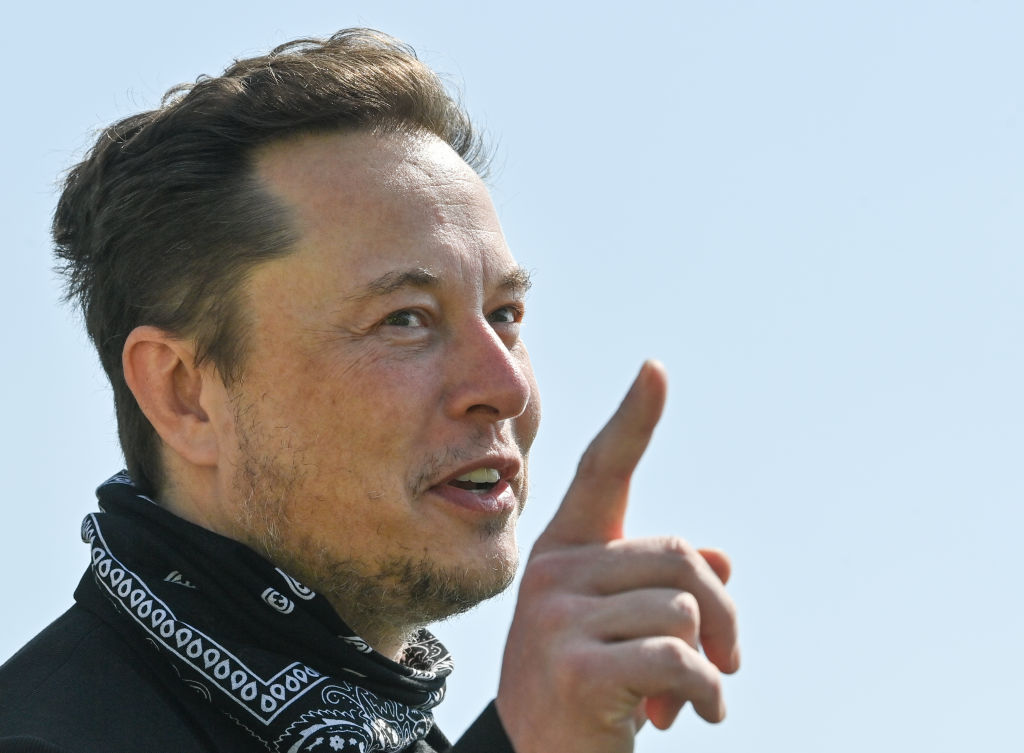
Tesla CEO Elon Musk talks during a tour of the plant of the future foundry of the Tesla Gigafactory on August 13, 2021, in Grünheide near Berlin, Germany. (Patrick Pleul — Pool / Getty Images)
Early this month, United Nations World Food Programme director David Beasley issued an appeal to the world’s superrich, specifically naming tech billionaire Elon Musk and arguing that a one-time donation of $2 billion (representing just 2 percent of Musk’s current net worth) could solve the global hunger crisis. Musk, who could well become the world’s first trillionaire, quickly scored a public relations coup with his response: “If WFP can describe on this Twitter thread exactly how $6B will solve world hunger, I will sell Tesla stock right now and do it.” Beasley soon proceeded to offer an unhelpfully pleading and deferential climbdown.
The incident is as good a moment as any to mount the standard, and correct, critique of billionaire and private philanthropy: namely, that they’ve always had less to do with addressing social problems and far more to do with brand-building and soft power cultivation among the world’s superrich. Writer Anand Giridharadas, who calls this process “reputation laundering”, has relentlessly pointed out the basic hypocrisy at the heart of every billionaire do-gooder scheme:
You first get rich by cutting every possible social corner you can cut — you avoid taxes if you can avoid them, you use trusts and Cayman Islands accounts, you lobby for . . . policies that are good for you and your rich friends and bad for most people, you avoid paying people in creative ways by suppressing minimum wage, outsourcing to contractors. . . . Then, you turn around and you start donating a fraction of that money to various forms of elite do-gooding — philanthropy, corporate social responsibility, for-profit social enterprises, maybe something involving Africa even if you’ve never been.