US Billionaires Got 70% More Wealth Under COVID. They Didn’t Deserve Any of It.
New data shows that Elon Musk's fortune grew by 750% during the pandemic. It's not because he worked 750% harder than the rest of us.
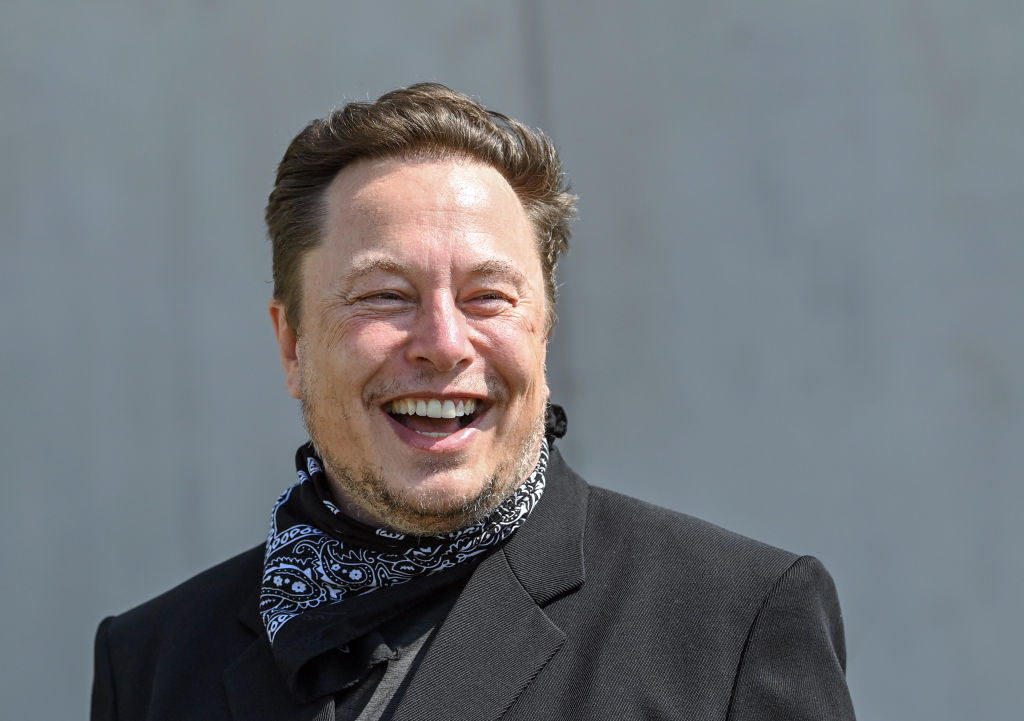
Elon Musk, Tesla CEO, at a press event on the grounds of the Tesla Gigafactory in Germany in August 2021. (Patrick Pleul / picture alliance via Getty Images)
It’s now commonly understood that the world’s billionaires have made a killing off the pandemic, a period that has seen not only mass death on a global scale but also deep economic depression and widespread job loss. The disjuncture here is almost too obvious to need comment. “We’re all in this together!”, the general sentiment that supposedly prevailed circa March 2020, may have been a laudable one, but it’s long been clear that we are not, in fact, all in anything together. What’s a little more difficult to comprehend is the sheer extent to which a tiny few have profited while billions suffered and made sacrifices to try and contain the pandemic.
In this regard, newly released data from the Institute for Policy Studies offers remarkable clarity as to the scale of the billionaire class’s COVID-19 windfall in America — the top-line numbers almost beggaring belief. In short, the combined wealth of the country’s billionaires has risen by 70 percent since the beginning of the pandemic, jumping from just under $3 trillion to roughly to over $5 trillion as of late last week. This spike in concentrated wealth has also seen many millionaires become billionaires, with the ranks of the class as a whole swelling by 131 — from 614 in March 2020 to 745 today. To put that in perspective, as the institute’s Chuck Collins notes, $5 trillion easily exceeds the $3 trillion currently held by the poorest 50 percent of America’s households — meaning that well under a thousand individuals now own almost 70 percent more wealth than half the country combined.
Though many have seen their fortunes skyrocket during the pandemic, such increases have been quite unevenly distributed. Elon Musk, for example, has seen the paltry $24.6 billion he owned in March of last year grow to $209.3 billion — a spike of more than 750 percent. For comparison, the country’s second-richest man, Jeff Bezos of Amazon, has added a mere $80 billion to his fortune, while Bill Gates has gained $34 billion. Whether taken together or examined in isolation, the numbers are dizzying (a full list is available here), and the policy solutions are obvious. The average billionaire pays an effective federal income tax rate of only 8 percent, and, thanks to various loopholes, exemptions, and jurisdictional gaps, most billionaire wealth simply eludes taxation altogether.