Argentine Filmmaker Lucrecia Martel on Cancel Culture, Colonialism, and Chocobar
Director Lucrecia Martel is famous for her subtle portrayals of class and race relations in Latin America. In Chocobar, she’s turning her lens on how 500 years of colonial history is connected to the contemporary murder of indigenous activist Javier Chocobar.
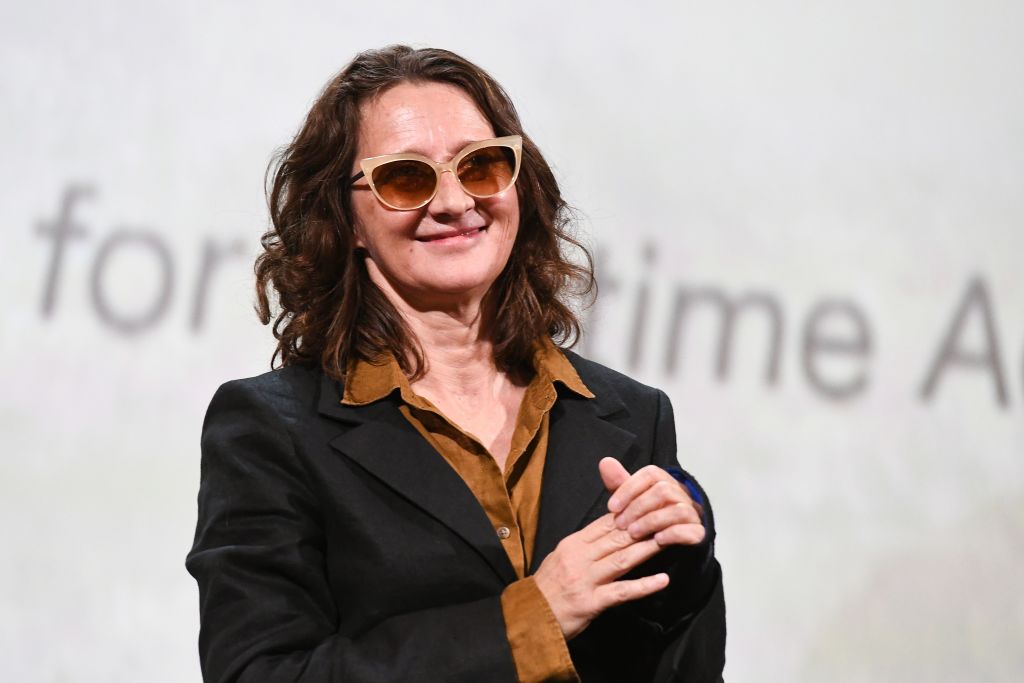
Lucrecia Martel’s next production promises to be her most politically charged. (VINCENZO PINTO/AFP via Getty Images)
Lucrecia Martel is a rare kind of filmmaker: a universally acclaimed auteur who, when she’s not making her delicately surreal masterpieces, is speaking about politics and advocating for social struggles in her native Argentina.
Ever since the release of La Ciénaga in 2001, Martel has received almost every imaginable accolade from the international film community. Over the years, she has developed a unique visual style — once described by film critic J. Hoberman as “disconcertingly beautiful” — and explored the aural dimension of cinema to the point that some claim she’s reinvented the concept of the soundtrack.
Martel’s trademark, however, is her savage portrayal of the Latin American bourgeoisie and their (sometimes not so) subtle racism and class prejudices. From her piercing study of class psychology in 2008’s tremendous Headless Woman to the dazzling period piece Zama, set in colonial times but pulsating with modern-day relevance, Martel’s filmography is essential viewing for anyone looking to understand the visceral inequalities of modern Latin American and Argentine society.