In Nuestra Tierra, Collective Identity Is Built in Struggle
Lucrecia Martel’s latest film, Nuestra Tierra, the director’s first documentary, juxtaposes the fragility of colonial narratives with the strength of indigenous peoples’ collective identity formed through fighting the dispossession of their land.
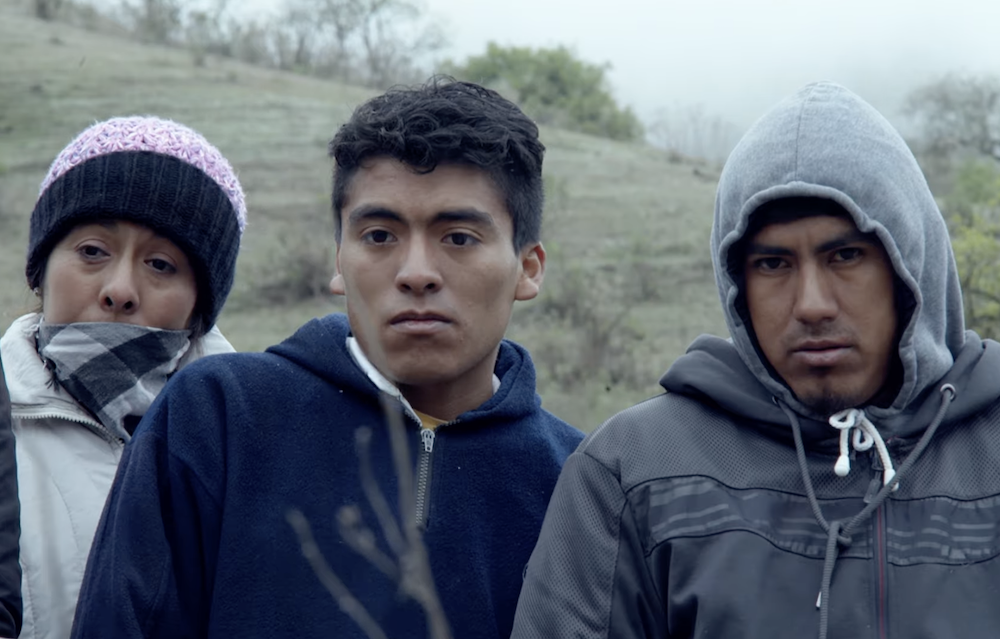
Nuestra Tierra doesn’t try to fight colonial logic on its own terms but rather fights it on the terms of the Chuschagastas. (Rei Cine)
The Spanish language has a single word, historia, that can mean both “history” and “story.” In Argentina, where the military dictatorship that disappeared thirty thousand people between 1976 and 1983 remains prominent in collective memory, the reconstruction of democracy has depended on an ongoing public and political negotiation between historia’s two meanings — one more stable and objective, the other more malleable. Revisiting, amending, and correcting official narratives is a familiar element of public discourse; one of the earliest artistic incarnations of this negotiation is the Oscar-winning 1985 film La historia oficial, which depicts the discovery by a middle-class woman of the fact that her adoptive daughter had been stolen from a woman imprisoned, and likely later killed, by the military. By pressing it up against the authoritative, totalizing adjective “official,” the film’s title surfaces the word’s ambiguity.
Argentine director Lucrecia Martel’s latest feature film, Nuestra Tierra (Our Land), is similarly concerned with historia’s inherent instability, training its focus on a less-examined part of Argentina’s past: the colonial era and its impact on the country’s indigenous population.
The film follows the 2018 trial for the murder of Javier Chocobar, an indigenous leader and activist of the Chuschagasta community in the Tucumán province in the north of Argentina. Chocobar was killed by a bullet that ruptured his femoral artery in 2009 during a confrontation between a group of Chuschagastas and three businessmen who had shown up on their land to make good on a specious claim to it. One of these men, the one who fired the fatal shot, wanted to mine the land for slab stone.