Paulo Freire’s Radical Method Was Rooted in Brazil’s Historical Inequalities
Paulo Freire, who was born one hundred years ago today, came of age in a country where half of all adults were illiterate and therefore disenfranchised. Freire’s ideas were forged in a uniquely Brazilian context.
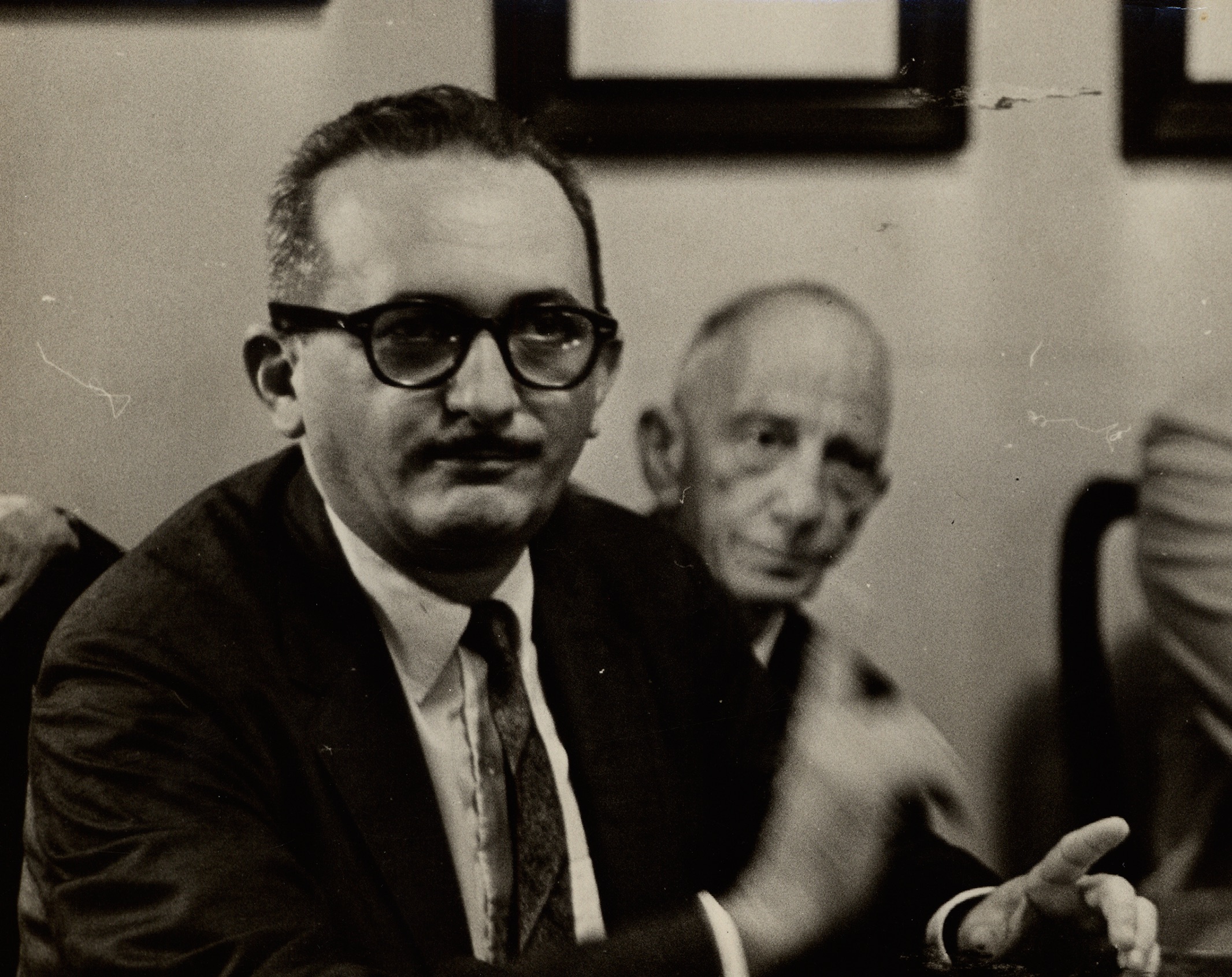
Paulo Freire, 1963. (Brazilian National Archives)
In 2012, Dilma Rousseff signed into law Decree No. 12.612, making socialist pedagogue Paulo Freire the official patron of education in Brazil. It was a fitting tribute to one of the international left’s most beloved icons, and a seemingly uncontroversial one considering the grandfatherly Freire, who today would have turned one hundred years old, is among the country’s most celebrated intellectuals.
However, from the moment pen touched paper, Rousseff’s decree has set off a firestorm of criticism. Reaching a fever pitch after Jair Bolsonaro’s victory in the 2018 presidential election, the controversy around Freire’s influence has become a topic of heated national discussion and the fuel for countless right-wing conspiracies of “Marxist indoctrination.”
What, though, does the battle over Freire actually tell us about the state of Brazilian society in 2021? What does it tell us about the meaning of Freire’s legacy on the centennial of his birth?