The US Tax Code Should Not Allow Billionaires to Exist
The recent ProPublica exposé about billionaires’ almost-nonexistent tax bill was just the latest to reveal how little the ultrarich pay in taxes. We need to attack the wealth and power of the rich — and that means massively increasing taxes on them.
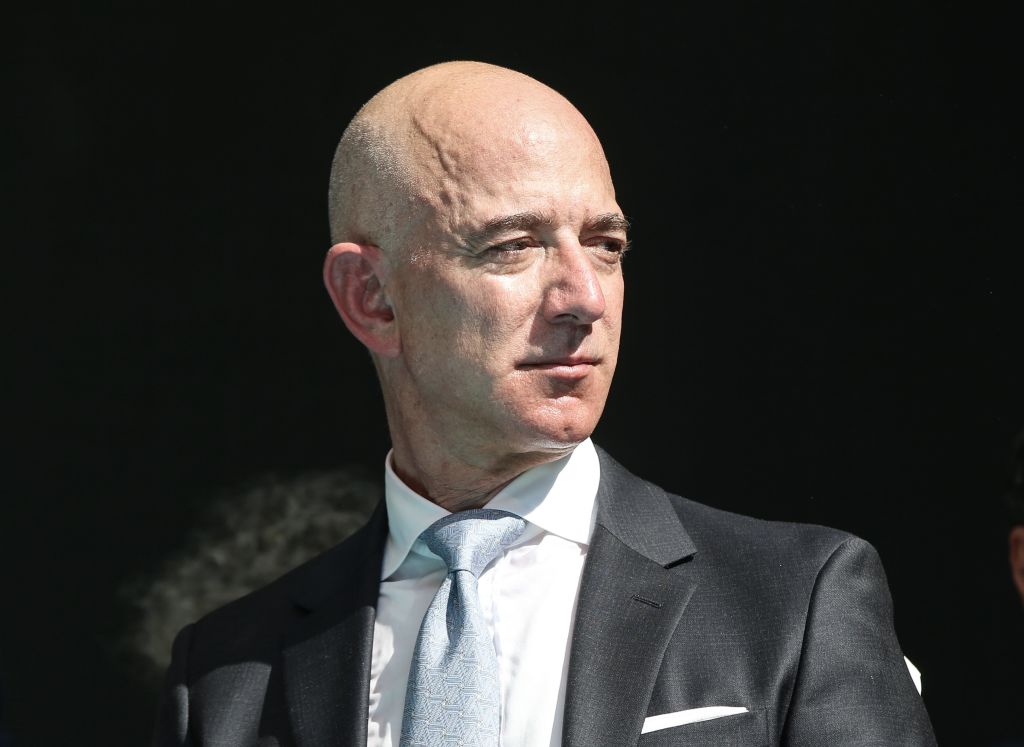
Amazon CEO Jeff Bezos is the richest man in the world. (Elif Ozturk / Anadolu Agency via Getty Images)
Last month, ProPublica highlighted the gross inequities of the US tax system with an exposé that drew on the leaked tax returns of the country’s billionaires. It showed that the wealth of the twenty-five richest Americans grew by a combined $401 billion from 2014 to 2018, but that they paid only 3.4 percent of that sum in federal income taxes. Over the same period, the average American paid more in federal taxes than they gained in wealth.
ProPublica’s president called the tax investigation the “most important story” in the outlet’s history. The report went viral on social media and received coverage in virtually every major news outlet. Many observers predicted the story would spur legislation. As the Center for Budget and Policy Priorities’ Chuck Marr tweeted, “There should and will be strong pressure on policymakers to act to respond to what the public will correctly perceive as a gross unfairness.”
ProPublica’s piece — which actually understated the regressivity of the US tax code — should be a political gift to Democrats that spurs meaningful policy change. But the past century has seen similar exposés every decade or so, and they’ve rarely produced a substantial legislative response. Time and again, the ultrarich’s well-funded army of sycophants and bipartisan gallery of politicians have come to the rescue to ensure America’s plutocrats continue to escape taxation.