How Unions Can Lay the Ground for the Next Upsurge
Smart union organizing tactics can produce incremental growth for unions at some points, or at least slow decline. But those tactics don't lead to substantial increases in overall union density — those increases happen quickly, in moments of upsurge. Labor and the Left need to be ready for those moments.
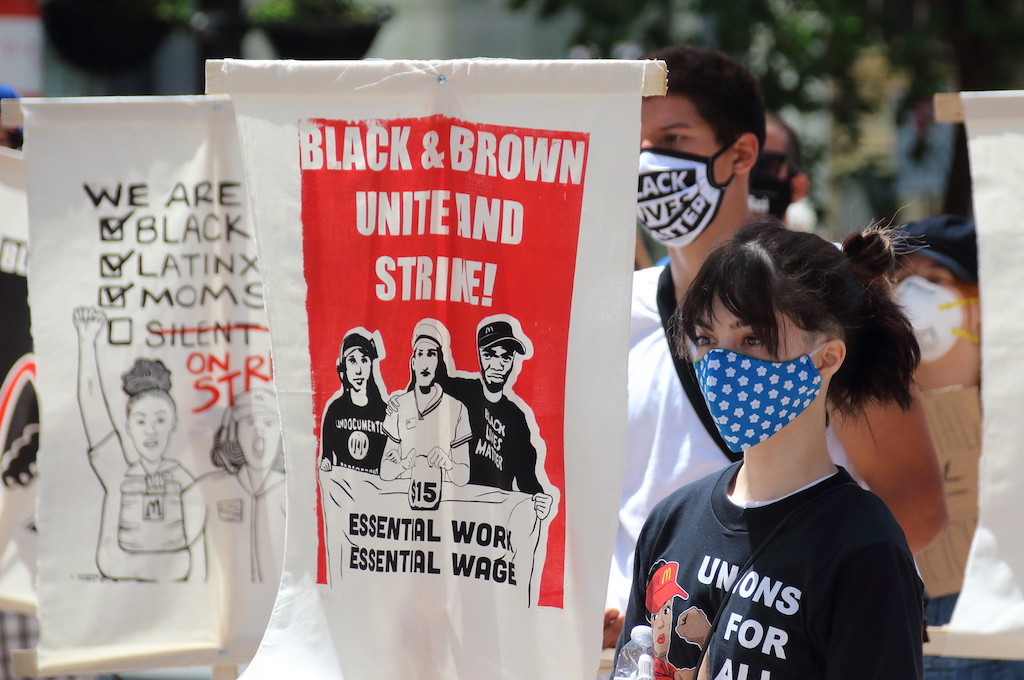
Working-class upsurges often happen in the context of deep changes in society as a whole. (Harry Carmichael / Flickr)
I started in the labor movement in the mid-90s, when the fall in union density from 23 percent of the workforce in 1980 to 15 percent in 1994 had created a crisis at the top. In response, the “New Voices” slate led by the Service Employees’ John Sweeney defeated heir apparent Thomas Donahue in the first contested election in AFL-CIO history.
The incoming team were evangelists for organizing. They argued for applying to the entire labor movement the militant tactics of campaigns like the Service Employees’ (SEIU’s) Justice for Janitors and the organizing methodology popularized by the AFL-CIO’s Organizing Institute.
The idea that unions needed to organize new shops in order to survive became universally accepted. Several large campaigns were launched; unions hired hundreds of recent college graduates to staff them, and codified a specific methodology for organizing.