In Working-Class Manchester, Friedrich Engels Became a Revolutionary
Friedrich Engels was just 22 when he was sent to England to help run the family firm. His father hoped this would draw him away from radical ideas — but in industrial Manchester, young Friedrich instead saw the suffering, and the power, of a growing working class.
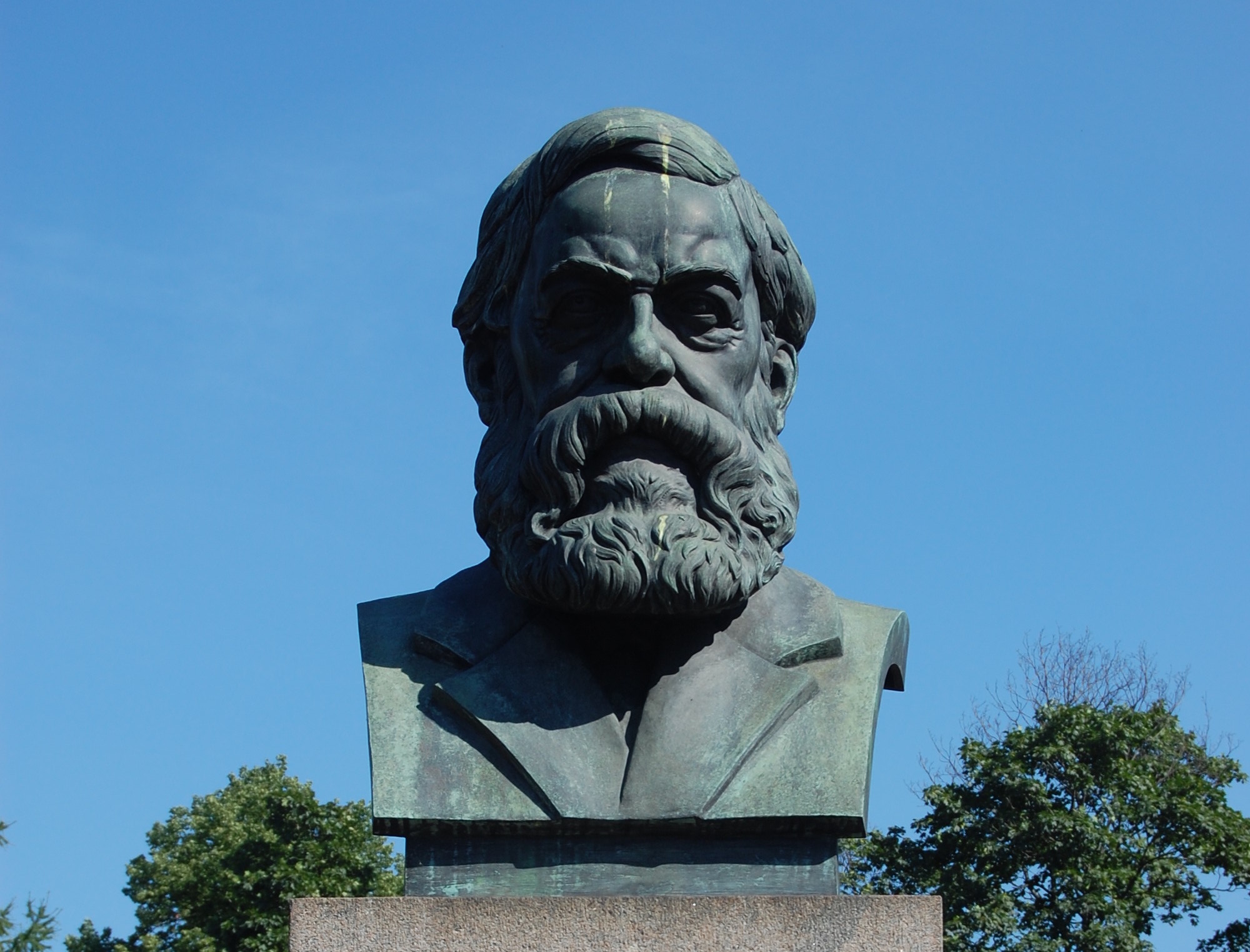
Upon his birth, two hundred years ago, Friedrich Engels was neither an Englishman nor a likely revolutionary. Today, his status as an agitator, reformer, and adopted son of Manchester grows stronger by the day. (Wikimedia Commons)
In October 1842, a wealthy businessman from the Rhine province of Prussia aired his grievances about his wayward son. “[He] is like a scabby sheep in a flock and openly opposes the beliefs of his forefathers,” he wrote in a letter. “I hope however to give him plenty of work to do and — wherever he may be — I will arrange for him to be very carefully watched so that he does not do anything to endanger his future career.”
A Christian Pietist and strict disciplinarian, Friedrich Engels Sr was naive to think he could quell his eldest son’s revolutionary instincts. Already a Hegelian philosopher and recent convert to communism, this twenty-two-year-old’s Weltanschauung (or “worldview”) had long outgrown parental sway. Yet the senior Engels persisted. One month after threatening “plenty of work,” he sent his son to Salford, then on the outskirts of Manchester, to manage a cotton mill that he part-owned. This might have been a good use of man power — but as a means of deterring young Friedrich from pursuing a life of revolution, his ploy came up remarkably short.
Had he declined the job at Ermen & Engels, situated in the heartland of industrial England, the trajectory of modern socialist thought would look rather different. An autodidact from a young age, Friedrich saw his father’s demands as a golden opportunity to glean firsthand experience of the world’s most advanced industrial economy. Two centuries since his birth, Engels’s status as a colossus of revolutionary socialism can be traced right back to his decision to agree to come to Manchester — allowing him a direct, and not only theoretical, education in the exploitation the working class faced.