Bernie Sanders Would Make a Very Good Secretary of Labor
Bernie Sanders is reportedly making a bid to be the secretary of labor in a potential Biden administration. That’s good news. The labor secretary has broad latitude to raise worker standards — and Bernie could use the bully pulpit to declare that all workers will have the full backing of the federal government if they organize on the job.
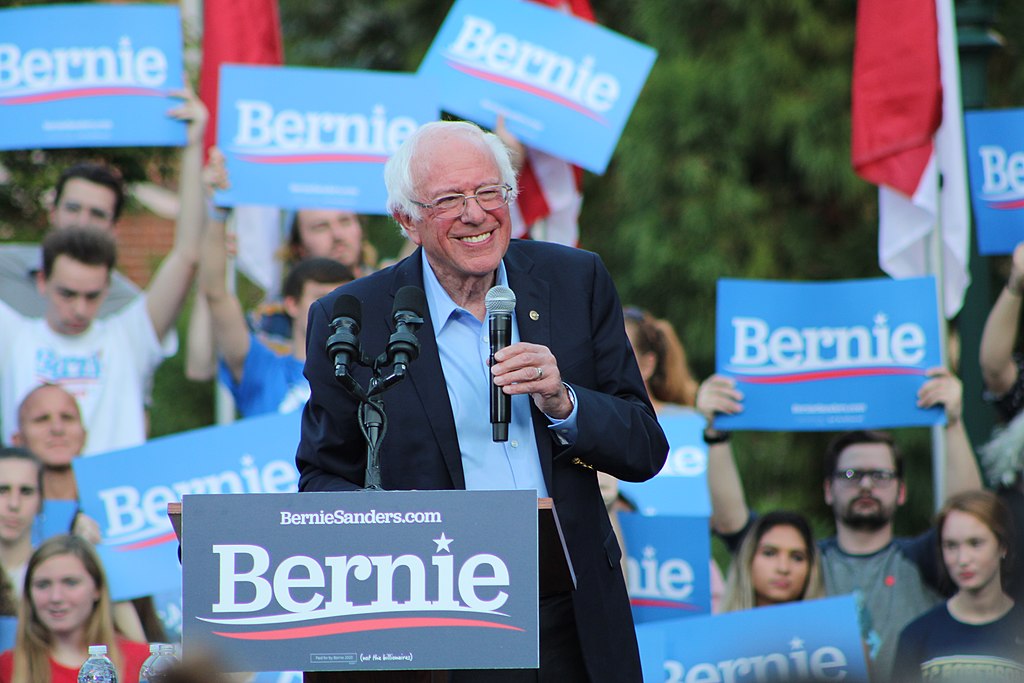
The Department of Labor and its next leader can make a big difference — for good or for ill — in the lives of workers. Amid a still-raging pandemic, the next labor secretary will need to adapt the country’s labor standards to the new world of risk. (Wikimedia Commons)
Last week, Politico reported that Bernie Sanders is making a pitch to head the Department of Labor under a potential Biden administration. That’s welcome news. In recent months, workers in the United States have been ravaged by the coronavirus — losing their jobs in the COVID-19 recession, braving life-threatening workplace conditions — and, over the last generation, they have been ravaged by political and policy retreat: on collective bargaining rights, on labor standards, and on workplace health and safety. The next secretary of labor, with a little legislative support, will be in a position to undo at least some of that damage.
The Department of Labor does not make policy, but — like all executive agencies — it enjoys wide discretion in interpreting and enforcing (or not enforcing) existing laws and regulations. It oversees basic labor standards (minimum wage, overtime, prevailing wage) and investigates wage theft. It can extend the reach of covered employment, enforce federal occupational health and safety laws, and ensure compliance with the Family and Medical Leave Act. It administers the Employee Retirement Income Security Act (ERISA), the federal law that regulates employment-based pension plans. And it collects the survey and administrative data that inform policy assessment and policy change. Even without (sorely needed) changes to labor law, a crusading labor secretary could make a big difference in the lives of workers.
The promise and possibilities of the post are evident across the department’s history. In the 1930s, Frances Perkins was instrumental in the design, passage, and early administration of the Fair Labor Standards Act. In the 1960s, W. Willard Wirtz extended the spirit and jurisprudence of the Civil Rights Movement into the department’s key programs — a project carried forward by the progressive economist Ray Marshall during the Carter administration the following decade. Gerald Ford’s labor secretary, the noted industrial relations scholar John T. Dunlop, was perhaps the last serious Republican appointee to the post; he resigned in protest when Ford went back on his word and vetoed a bill expanding picketing rights for construction trades.