Germany Needs to Own Up to the Horrors of Its Colonial Past in Africa
Germany’s reckoning with the Holocaust is widely taken as a model of historical accountability — yet it has proven far less willing to confront its colonial past in Africa.
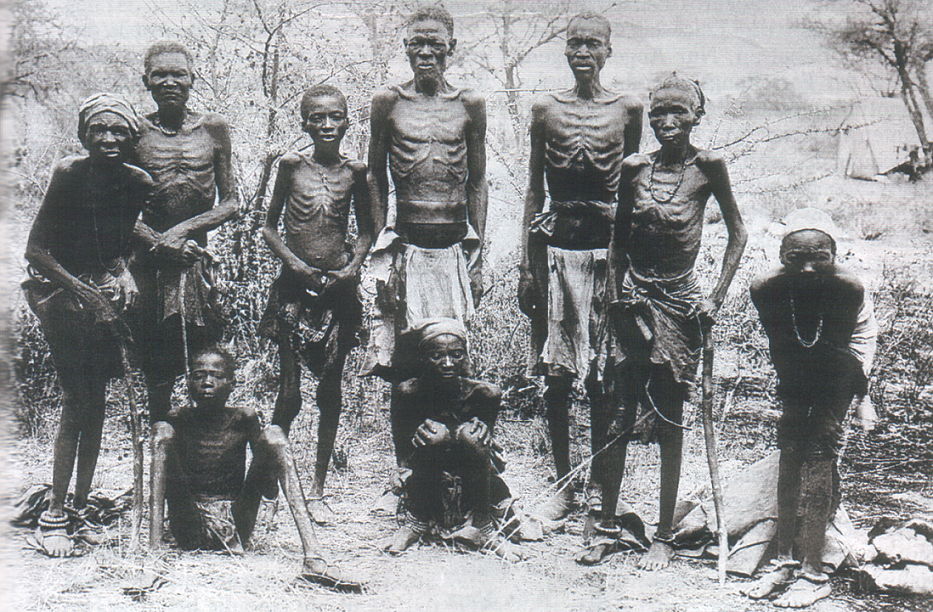
Surviving Herero after their escape through the desert of Omaheke in German South-West Africa (modern day Namibia), circa 1907. (Wikimedia Commons)
Germany is often commended as the world leader in remembrance. The “German model” has gained international recognition as an exemplary path toward historical accountability for the crimes of the Nazi Holocaust. And yet, a country that has done much reckoning with one traumatic period in its past has largely failed in confronting another painful history — the legacy of German colonialism. Various attempts at addressing this historical blind spot, whether by victims’ advocates, citizen initiatives, or parliamentary groups, have long been met with empty promises, silence, or outright rejection.
With the recent wave of protests for racial justice in the aftermath of the killing of George Floyd, it has again become clear how deeply rooted current forms of racism are, following from a long history of racialized violence. And Germany is far from innocent in this regard. The flawed negotiations over reparations for the country’s colonial crimes show how the failure to remedy past harms continues to incur pain and trauma in the present.
The History of Genocide
While the German Empire was comparatively short-lived, its henchmen committed unspeakable acts of violence. In the former colony of German South West Africa — today’s Namibia — colonial troops carried out the first genocide of the twentieth century against the Ovaherero and Nama people.