Patrice Lumumba on the Congo’s Independence: “Our Wounds Are Too Fresh and Too Painful”
Sixty years ago today, Patrice Lumumba marked the independence of the Congo with a blistering indictment of Belgian colonial rule. For the governments of Belgium and the United States, the speech made Lumumba a marked man: within a year, he was dead at the hands of their proxies.
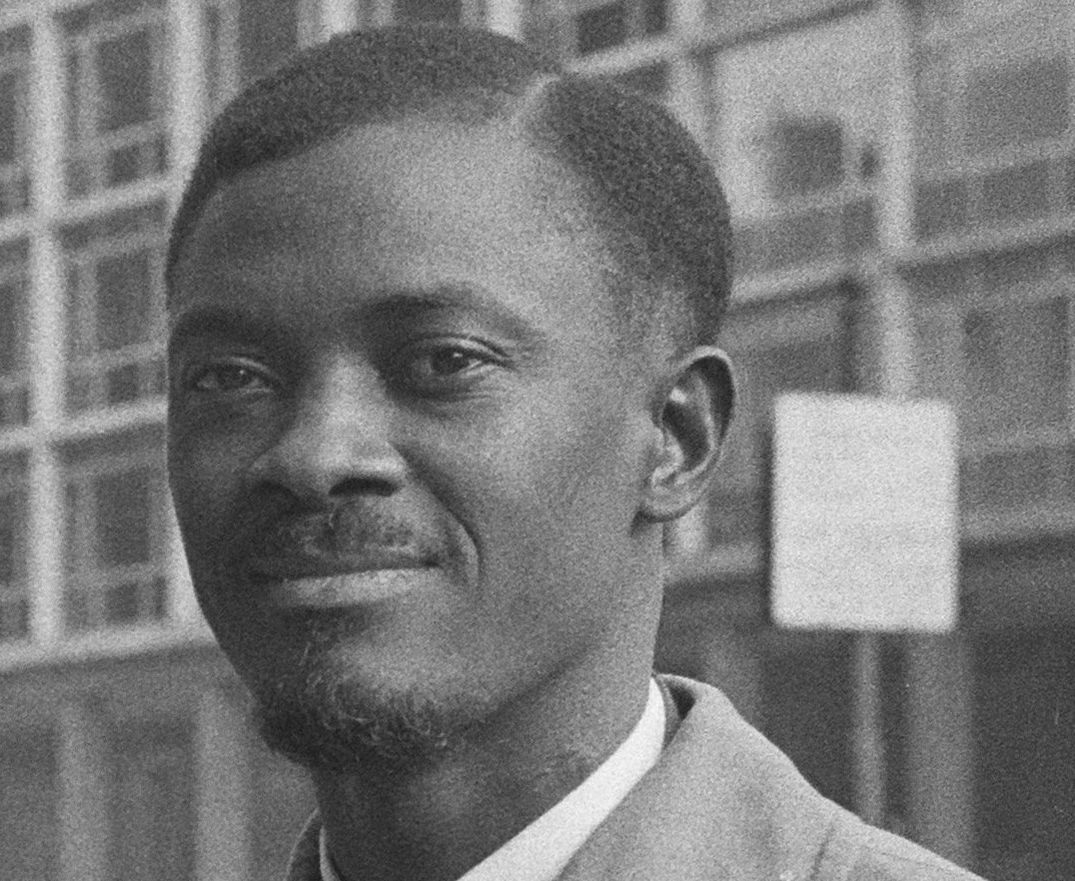
Patrice Lumumba was a leader of the Congolese independence movement and the first prime minister of the independent Republic of the Congo. (The National Archives of the Netherlands)
Sixty years ago today, the Congo won its independence from Belgian rule. The country’s first prime minister, Patrice Lumumba, was planning to speak at a formal ceremony in Léopoldville (now Kinshasa). First, however, he had to listen to a speech by the Belgian king, Baudouin. Baudouin insisted on paying tribute to King Léopold II, who had carved out the Congo Free State as his personal fiefdom in the late nineteenth century.
As the Congolese people knew all too well, Léopold II was one of the greatest mass murderers of his time, responsible for millions of deaths in his hunger for colonial loot. Baudouin insulted the audience by sanitizing his predecessor’s image: “He appeared before you not as a conqueror but as a civilizer.” The Belgian monarch claimed that Congolese independence “marks the outcome of the work conceived by the genius of King Léopold II, which he undertook with tenacious courage and which Belgium has continued with perseverance.”
When Patrice Lumumba later took the stage, he delivered a blistering indictment of Belgian colonial rule, much to the indignation of Baudouin and the Belgian officials in attendance. The Congolese audience repeatedly interrupted Lumumba’s speech with rapturous applause; many others listened to it eagerly on the radio. But it cemented perceptions of Lumumba in Brussels, Washington, and other Western capitals as a dangerously independent figure at the helm of a major African state. A Guardian correspondent described the speech as “unpleasant” and “offensive.”