On VE Day, French Colonists Launched a Massacre in Algeria
May 8, 1945 brought the end of World War II in Europe and the final liberation of German-occupied territories. But the creed of restored national independence wasn’t extended to Africa — and that same day, French colonial forces launched a wave of repression in Algeria that killed thousands.
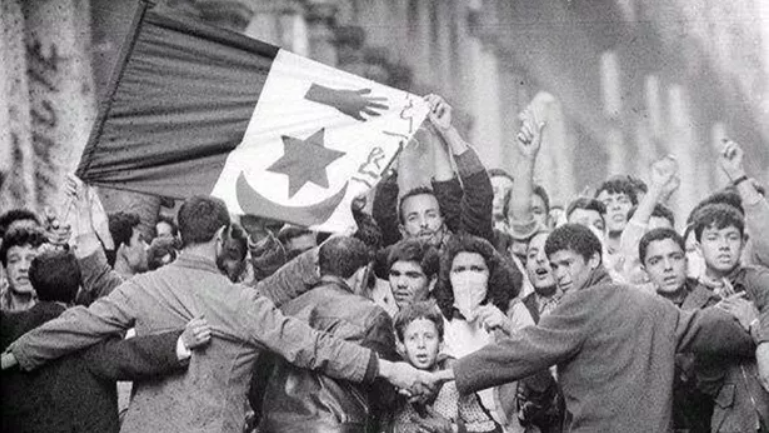
A repentance from the French ambassador to Algeria sixty years after the fact, an official visit by the secretary of state for veterans’ affairs, and otherwise, a bleak silence. That’s what the forty-five thousand indigènes massacred in May and June 1945 in Sétif, Guelma, and Kherrata are worth in the eyes of the French Republic. Their descendants can count on neither a day of national commemoration nor presidential recognition of the responsibility of the state, as was the case in 1995 for the deportation of Jewish people during the Second World War.
The day that the wave of slaughter began in Algeria is a symbolic one. May 8, 1945 — Victory in Europe Day (VE Day). The killings were carried out by a colonial army, supported by “European” civilians, and reveal a veil of blood that the official story extolling liberation from Nazi occupation prefers not to see.
On that day, France was in jubilation, having tasted the joy of freshly recovered sovereignty. Everywhere, in the métropole as in the colonies, the streets filled with spontaneous gatherings. This was also the case in the “French departments of Algeria,” even though they were no longer administered by the fascist Vichy regime since the Allied landings and the so-called citizen coup of November 1942.