The Arab Spring Lives on in Algeria
Algeria is in the throes of a revolutionary moment. But having overthrown dictator Abdelaziz Bouteflika last spring, the movement must now find a way to return the class issue to the center of politics or risk watching the revolutionary moment slip away.
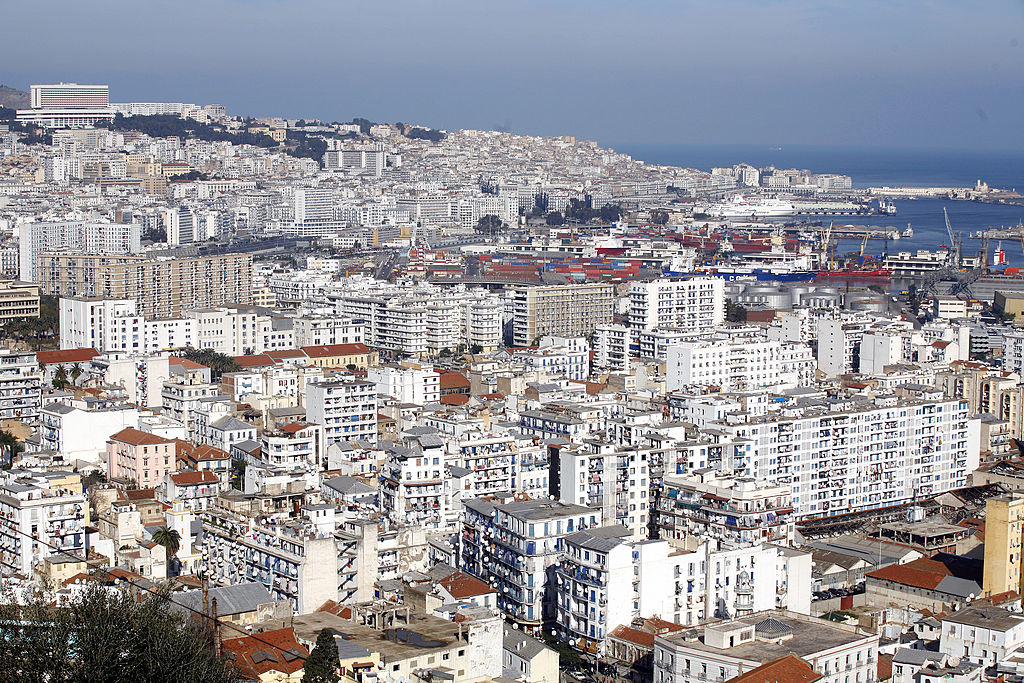
A view of downtown Algiers taken from Mohamed Gacem street in Algiers, Algeria, December 6, 2007.Pascal Parrot / Getty
Since February, the people of Algeria have waged an inspiring revolt against the dictatorial regime of Abdelaziz Bouteflika and its crony capitalist policies. Along with the revolution in Sudan, the Algerian uprising represents a new wave of the revolutionary process of the Arab Spring. After massive demonstrations against the dictator’s continued rule brought millions into the streets, a popular movement (Hirak Sha’bi) quickly took shape, overthrowing Bouteflika in early April.
Since then, demonstrations have continued in opposition to the military, which has maintained de facto authority over the country. Attempts to hold premature elections earlier this summer were thwarted by massive weekly protests and civil disobedience. But the current movement remains in a standoff with the general-director of the armed forces, Gaid Salah.
At this crucial juncture, Shireen Akram-Boshar and brian bean spoke with Hamza Hamouchene, an Algerian scholar and activist, about the revolution, the lessons to be drawn thus far, and what comes ahead. Dr. Hamouchene, who is based in London, is a founding member of the Algeria Solidarity Campaign (ASC) and Environmental Justice North Africa (EJNA) and a prolific author on the region.