The Legacy of a Torturer
Former Chicago police officer Jon Burge tortured black men and got away with it for almost two decades. But his atrocities also spurred a movement — one that scored a major victory against the racist criminal justice system.
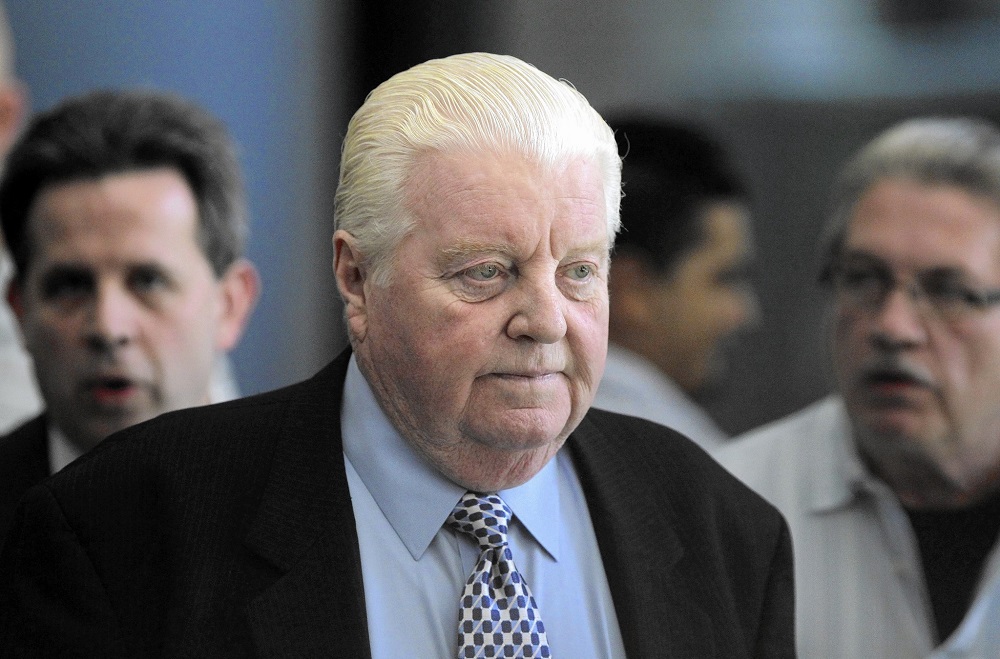
Former Chicago police commander Jon Burge, who died last week at the age of seventy. The News USA / Flickr
Former Chicago police commander and torturer Jon Burge is dead. For over two decades, Burge operated a chamber of horrors with a ring of veteran detectives on Chicago’s south side, railroading a dozen mostly African-American men to death row and hundreds more to long prison sentences on the basis of confessions extracted under torture. Rising through the ranks — from detective to sergeant to commander — Burge relentlessly pursued confessions from people so horrified and dazed that they would have said anything to stop the torture.
One of Burge’s victims, Darrell Cannon, said in court in 2015 that Burge and other officers seemed to enjoy torturing people. Here was a man who so undervalued black lives that the words “it’s fun time” would spew from his sneering lips before he chained people to steaming hot radiators, attached charged wire electrodes to sensitive body parts, played Russian roulette with a loaded gun, suffocated men with typewriter covers, and beat others senseless.
The scars of his crimes run deep. Consider the pain of Ronald Kitchen, whose mother, Llouva Ball, a fearless champion in his fight for freedom, was so sick at the end of her life that she could no longer recognize her son after a DNA test finally freed him from death row. Burge should be remembered for these stolen lives and the deep emotional pain he inflicted on so many mothers, fathers, daughters, sons, sisters, and brothers. As the coordinator of a campaign led by prisoners and activists on the outside, I had the opportunity to work first-hand with these family members and share in both their legal setbacks and political victories.