“Right to Try” Is a Cruel Farce
Drug companies want you to think they're providing glimmers of hope to terminally ill patients. Don't believe them.
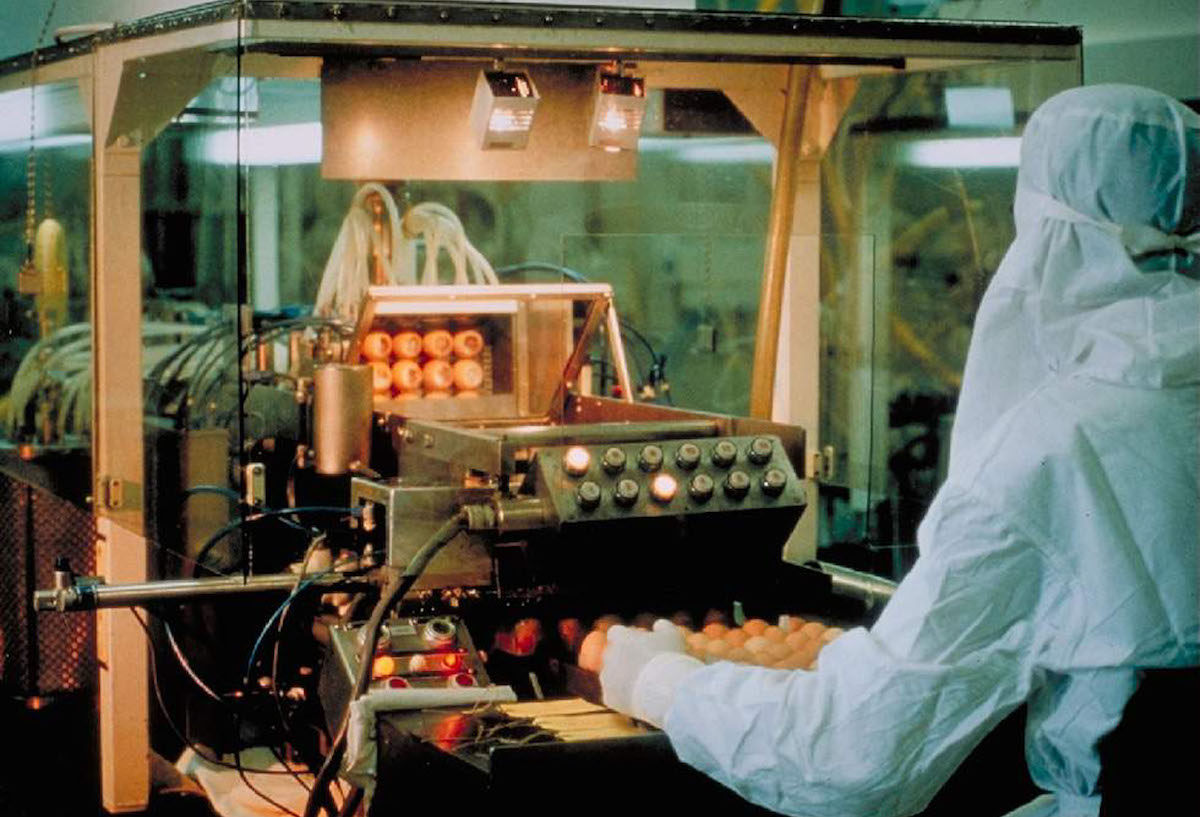
A technician at pharmaceutical company Aventis Pasteur in this undated file photo. Aventis Pasteur MSD / Getty
In May, Congress passed and President Trump signed S.204, better known as the Right to Try Act. The law’s key provision allows pharmaceutical companies to sell experimental treatments to terminally ill patients that have yet to be approved by the Federal Drug Administration (FDA).
Under the legislation, companies can supply drugs that have only passed Phase I clinical trials. For context, a 2011 study found that of drugs in all categories that made it past that stage, only 9.4 percent to 12 percent ultimately received the green light from the FDA. In other words, roughly 90 percent of the experimental treatments pharmaceutical companies can now sell to terminally ill patients could be, at best, completely ineffective.
And patients wouldn’t even know it. By allowing access to Phase I drugs, the law also restricts a patient’s ability to be informed about the treatment’s efficacy. Drugs in Phase I testing are only investigated for safety and dosage — effectiveness and side effects are not examined until Phase II.