Winnie Mandela (1936-2018)
Through her fearlessness and charisma, Winnie Mandela came to be seen by the people of South Africa’s townships as the Mother of the Nation.
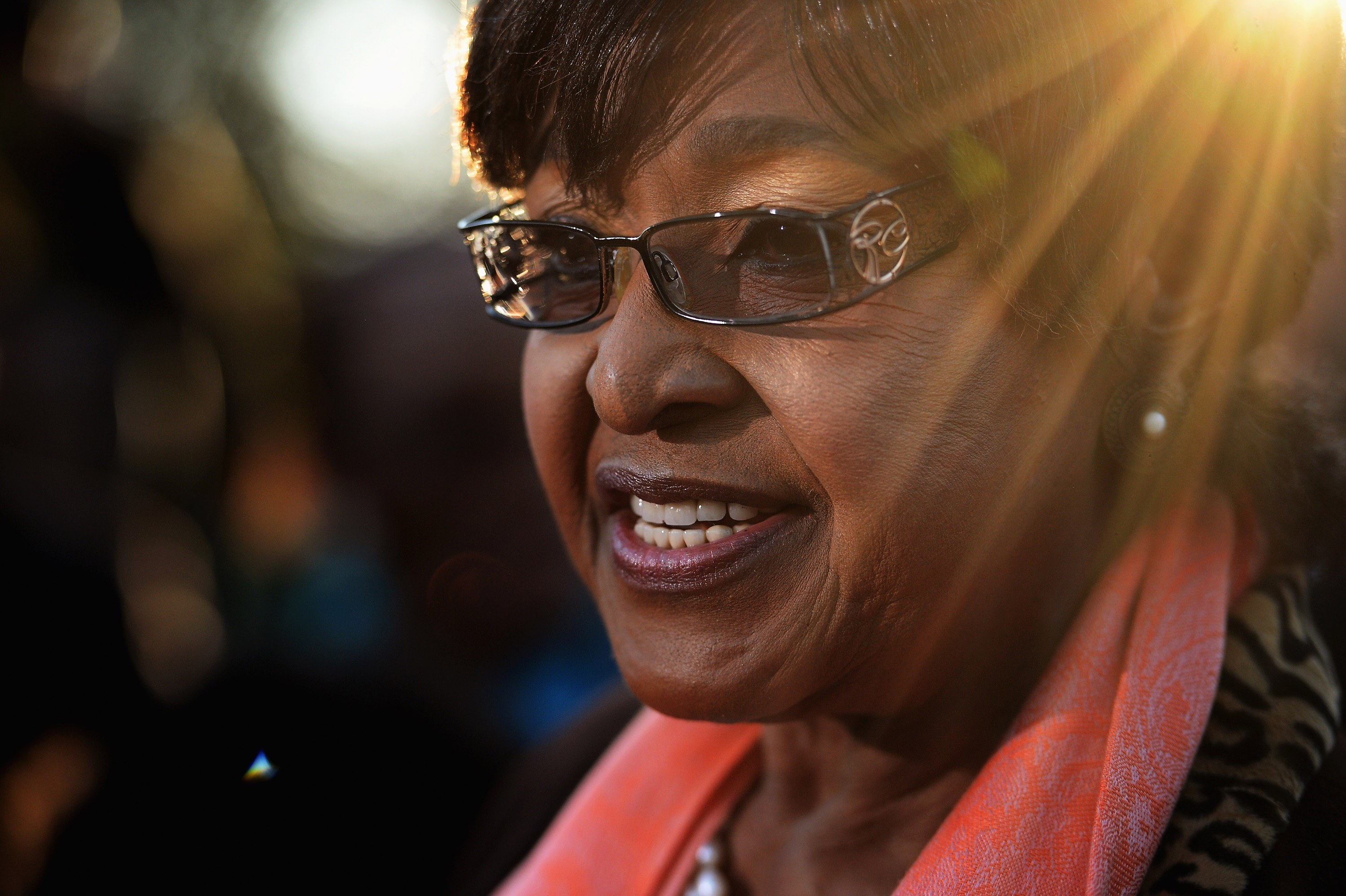
Winnie Madikizela Mandela makes a statement to the media in Soweto Township on June 28, 2013 in Johannesburg, South Africa as Nelson Mandela, her former husband, is hospitalized.Jeff J Mitchell / Getty
Barack and Michelle Obama have barely left the stage and already the US press are gripped by nostalgia. In an era of ubiquitous images, no matter where you live in the world, the scenes of their kisses and hugs, their loving gazes and their fist bumps, are inescapable.
Even if you disagree with their politics — if you saw them as having been too focused on being “magical negroes” and not invested enough in challenging the structural underpinnings of American poverty, inequality, and imperial violence — there is no denying the elegance, intellect, and fierceness of their bond. And in a world in which images of healthy loving black families are still too rare — their example has been important and powerful not simply to a generation of Americans of all races, but to Brazilians, South Africans, and people in countries that are still too starkly defined by the color bar.
Michelle Obama, in particular, has been widely embraced. For white women in Middle America, she represents the black best friend they lost when Oprah went off air. She is now white America’s most relatable black person in much the same way that Ellen has become the totem for straight people who aren’t sure where to find queer allies.