The Young Benjamin
Walter Benjamin's Marxism owed much to his early engagement with anarchism and surrealism.
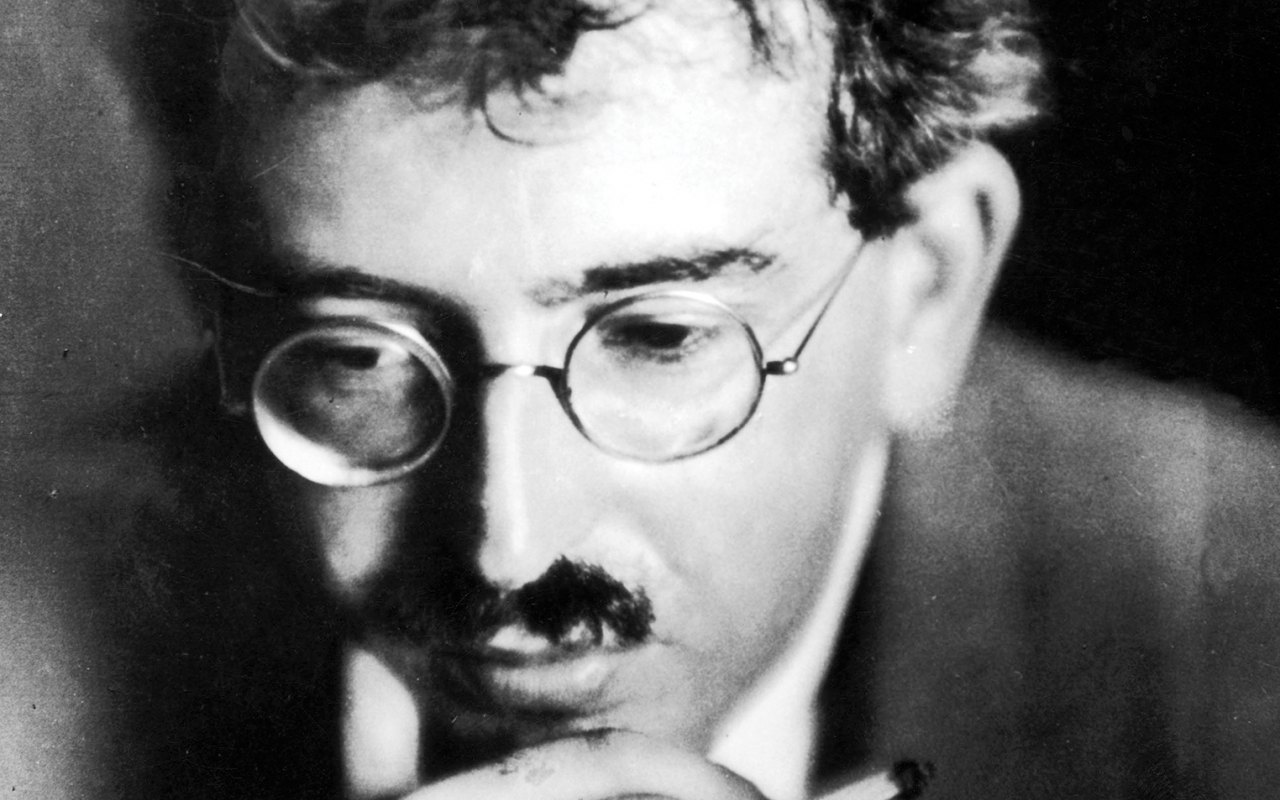
Discussion of Walter Benjamin’s work traditionally focused on his cultural criticism, sidestepping his Marxist political commitments. Yet in recent years a substantial body of Marxist discussion of Benjamin’s writings has emerged, focusing mainly on his more “materialist” work from the 1930s. Benjamin’s early Marxist writings however — which represent a quite heterodox, unusual, and topical attempt to bring together anarchism and communism — deserve greater attention.
Before 1924, anarchism seems to be the main political inspiration of the young Benjamin. In his conference on The Life of the Students (1915), he pays homage to the “Tolstoyan Spirit” of service to the poor, which has grown “in the ideas of the deepest Anarchists and in the Christian monastic communities.” More significantly, in his 1921 essay, Critique of Violence, one can find reflections directly inspired by Georges Sorel and the anarcho-syndicalist movement.
Benjamin does not hide his total disdain for the state institutions, such as the police (“the most degenerate form of violence that one can conceive”), or the parliament (“a deplorable spectacle”), and approves without reservation of the anti-parliamentarian critique of Bolsheviks and anarcho-syndicalists — two currents that he considers here as belonging to the same camp.