Harold Cruse, the Loneliest Black Radical Intellectual
Harold Cruse’s Crisis of the Negro Intellectual became an instant classic and helped found the field of African American studies. His writing brimmed with erudition and insight, but his fragile ego and personal grudges left him isolated.
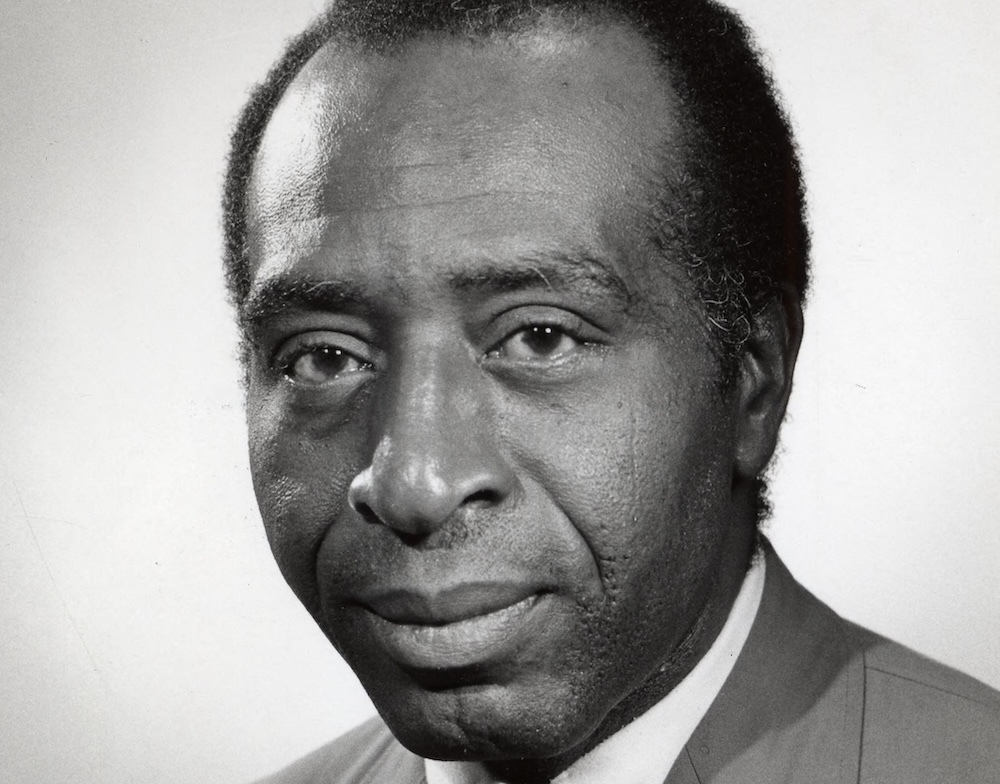
Harold Cruse’s Crisis of the Negro Intellectual became a classic. But his vision of black Americans bargaining for power as an ethnic bloc left capitalism untouched and pitted race against class in a debate that still roils the Left. (University of Michigan)
Harold Wright Cruse (1916–2005), my colleague at the University of Michigan for decades, may have been the most flamboyantly paradoxical radical intellectual ever to roam our institution’s halls. An astonishing autodidact with a wealth of knowledge about cultural and political history, Cruse authored a foundational work in black studies: The Crisis of the Negro Intellectual: A Historical Analysis of the Failure of Black Leadership (1967). Now, two decades after his death, a short, pacy biography by Villanova University theologian and Africana studies scholar Vincent W. Lloyd titled Harold Cruse: Critic, Writer, Teacher captures many of Cruse’s idiosyncrasies to present a riot of contradictions.
Cruse, a high school dropout with no college degrees, was recruited to the Michigan history department one year after the publication of Crisis, which quickly became a standard classroom text, often cited alongside Frantz Fanon’s The Wretched of the Earth (1961) and The Autobiography of Malcolm X (1965). Cruse’s book was a six-hundred-page tome bursting with insight and erudition but also ornery opinions about racial integration, black nationalism, and communism, not to mention uncharitable generalizations about women, Jews, and Caribbean immigrants. These were voiced, on and off the page, with absolute certainty and self-righteousness.
His most scathing criticisms were aimed at leading African American activists and thinkers, and his style stood out for his penchant for hurling rhetorical grenades. His targets included civil rights organizations such as the National Association for the Advancement of Colored People (NAACP) and Martin Luther King Jr’s Southern Christian Leadership Conference, which he saw as “motivated by selfish class interests, because the main objective of the Negro middle class is a status and a social position approximating . . . the great Anglo-American middle class.” But more often, such “Cruse missiles” were launched at the very black leftists I was teaching and admired.