Publishers Killed the Paperback, Then Blamed Readers
In 1939, the 25¢ paperback made America a nation of readers, delivering thrillers, classics, and Pulitzer-winning books. So why did the Big Five publishers just kill the mass market paperback?
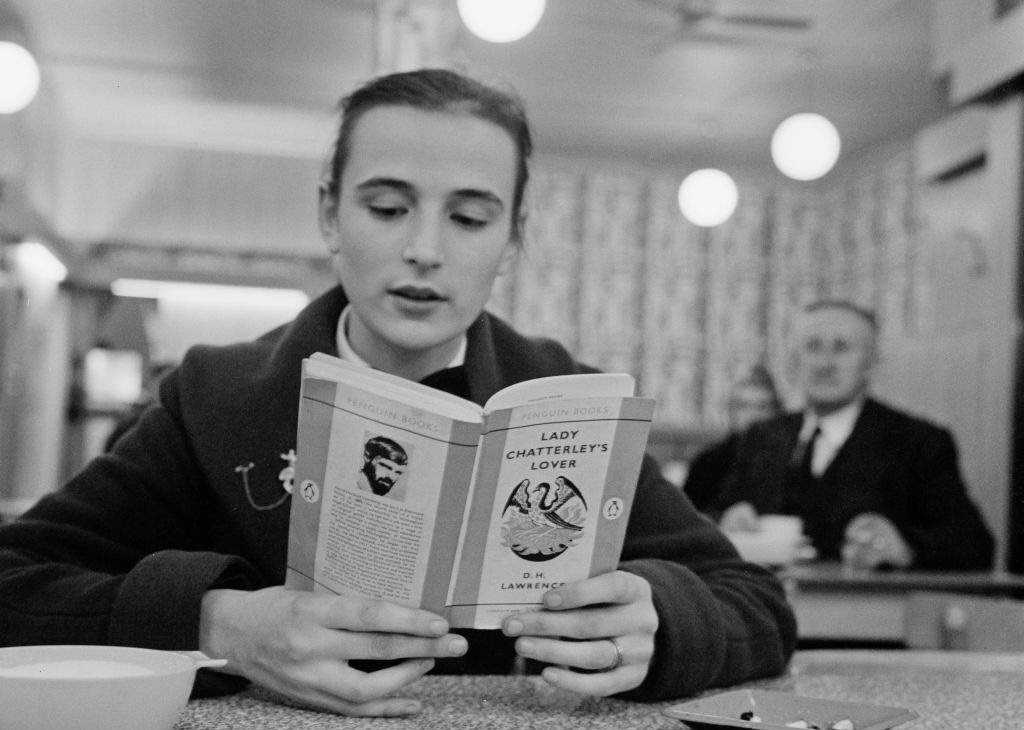
The cheap mass-market paperback gave us a truly popular yet sophisticated literary culture. Its decline has at least as much to do with corporate consolidation as shifting consumer preferences. (Evening Standard / Hulton Archive / Getty Images)
It seems every week a new piece about the decline and fall of the American reading habit goes viral. The idea that we’re entering a literary apocalypse that threatens to destabilize our democracy is perhaps overstated, but nobody is denying the book-reading trend is grim. In the most recent international assessment of adult skills, conducted in 2023, 28 percent of American adults scored at or below the lowest level of literacy — up from 19 percent just six years earlier. By one widely cited estimate, more than half of American adults read below a sixth-grade level.
It’s interesting to note that these hand-wringing, sky-is-falling pieces unfailingly focus on external issues. Few of us doubt what we feel in our bones to be true — that long-form reading is being harmed by disruptive technologies and other beyond-our-control societal issues (political dysfunction and a decrepit educational system) that apply to the demand side of the equation.
But what about the supply side? Could it be that corporatized publishing — with all of its consolidations and centralization — may have enshittified the product to the point where it has abetted the decline in consumer demand?