Pasta, a Weapon Against Fascism
When Benito Mussolini was ousted in 1943, a farming family called the Cervis celebrated by serving free helpings of pasta in the village square. It’s a ritual still repeated each July, upholding the community spirit at the heart of Italian antifascism.
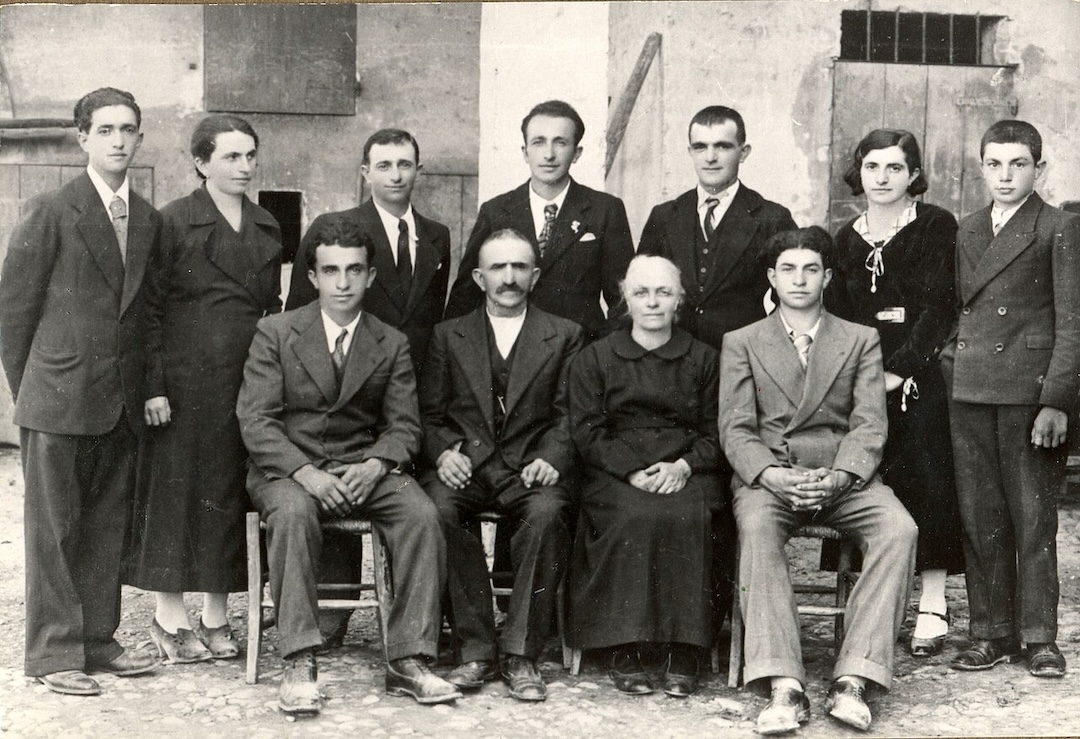
Alcide Cervi with his family, including his seven sons who were killed by Italian Fascists. (Alcide Cervi)
Antifascism can be served with a pot of overcooked pasta.
On July 25, 1943, after twenty-one years of dictatorship, Benito Mussolini was dismissed and arrested. Amid Italy’s worsening position in World War II, the Fascist Grand Council turned against Mussolini during the night, and Marshal Pietro Badoglio was appointed head of government. Across Italy, the news spread unevenly, slowly, passed by word of mouth, amid rumor and disbelief. Many thought not only that fascism had fallen but that the war itself might finally be over.
In the countryside around Reggio Emilia, in northern Italy’s Emilia-Romagna region, the Cervi family heard the news after returning from work in the fields. Alcide Cervi, his wife Genoeffa, and their seven sons and two sisters were peasants from Gattatico, near Campegine. They were a Catholic farming family who, during the 1930s, had developed new agricultural techniques and managed to free themselves from sharecropping.