Disney Is Encouraging and Exploiting the Rise of “Kidults”
For most of the last half-century, the charge has been that American culture is stuck in adolescence. But adolescence, it turns out, was not the floor. Disney is leading the transformation, expanding into new age markets for maximum profit.
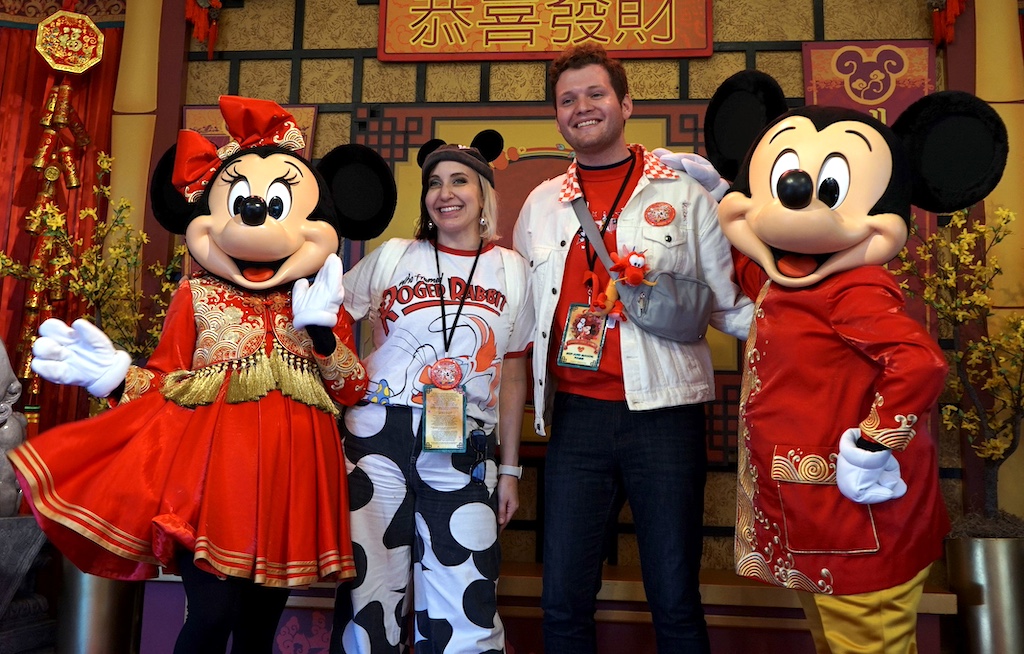
Disney has turned childhood nostalgia into a frictionless economic enclosure where every experience leads back to another purchase. (Xinhua / Getty Images)
Earlier this month, the New Yorker published a mesmerizing if bleak article about the “Disney adult” — that distinct American subspecies of grown man or woman who is stuck in Peter Pan consumer mode, who trembles in delight at the trailer for the silly new Baby Yoda movie and can’t wait to splurge $80 on a light-up Star Wars popcorn bucket.
What’s worse, the story reveals, many Disney adults are going broke on their frequent pilgrimages to the Holy Land. For the blissfully unaware, Disney experiences are staggeringly expensive. Surveys show nearly half of parents borrow money to fund Disney vacations. One couple who made headlines reportedly borrowed around $70,000, partly for Disney trips; another fan went $17,000 in debt due to ten Disney vacations in five years.
The internet responded to the New Yorker story with a predictable mix of horror and mockery: Who are these giant babies going broke to stand in line for a $15 bucket of Galactic Fries? There’s no especially dignified answer. Going into five-figure debt for a week of manufactured joy at a theme park is, on its face, a bad decision. It can be difficult to muster sympathy for the plight of the Disney adult. After all, adults are responsible for their finances; no wicked stepmother is casting a spell on you to make you do this.