Through Meta Glasses, Darkly
How do we solve a problem like the commodification of mass wearable surveillance? Social norms and market pressure are a start, but above all, we need a political response like regulation.
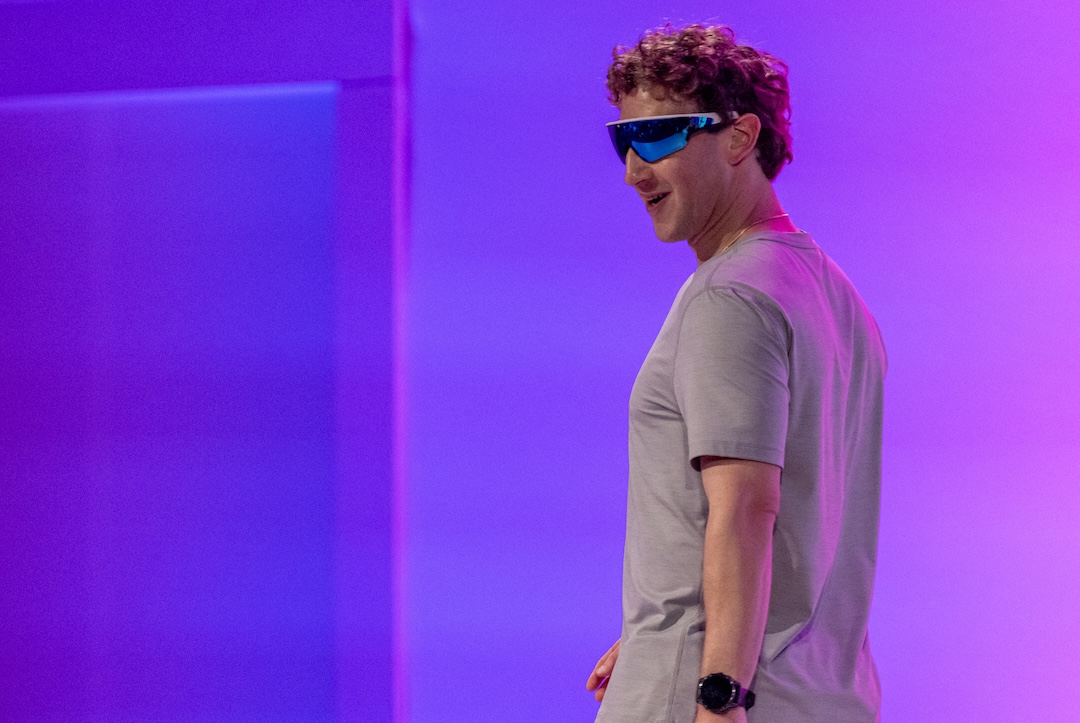
Smart glasses are no longer the preserve of creepers and early adopters, with reports of law enforcement adoption and facial recognition on the horizon. They threaten to turboboost our surveillance society and demand a political response. (David Paul Morris / Bloomberg)
It’s 2026, and we’re building up a surveillance society in earnest. A few years ago, I rewatched Enemy of the State. Released in 1998, just before the calendar rolled over into the new millennium, the film captured the late-century anxieties of a population concerned that they might be watching us. That the state would endeavor to adopt invasive surveillance laws at any price, and even track its own citizens with satellites and digital networks, was plausible but perhaps not inevitable. Three years later came the attacks of 9/11 and soon after the Uniting and Strengthening America by Providing Appropriate Tools Required to Intercept and Obstruct Terrorism (USA PATRIOT) Act. Soon after, the movie looked equal parts prescient and quaint.
Two and a half decades into the new century, we don’t need the state to surveil us, though it does. We’re perfectly happy to do it ourselves. That didn’t stop the National Security Agency from collecting internet and cellular data from around the world without a warrant, and when Edward Snowden broke the story, we at least feigned outrage for a time. But when the dust settled, we continued about our business, flying consumer drones, carrying cell phones with us into the washroom, sharing our data with every app and social media site on Al Gore’s internet, setting up cameras outside the entrances to our homes, and networking everything with a circuit. Now, in a bid to push the frontiers of voluntary surveillance, we’re putting cameras on our faces.
Who’s Watching Whom?
When Meta rolled out its “smart” or “AI” glasses, it was betting against a history of ignominious defeat — the same history that saw Google Glass go down in flames, its wearers marked as “glassholes” sporting the preferred accessory of perverts. Those who sported the glasses could talk to them, issuing voice commands, which, contrary to corporate hopes, didn’t help make the case for the technology.