Europe Is Sanctioning Critics of Israel and Militarism
Sanctions were once sold as a gentler foreign policy tool for exerting pressure on dictatorships and terrorist organizations. Yet measures like banning individuals from having bank accounts or traveling are increasingly used to chill free speech in Europe.
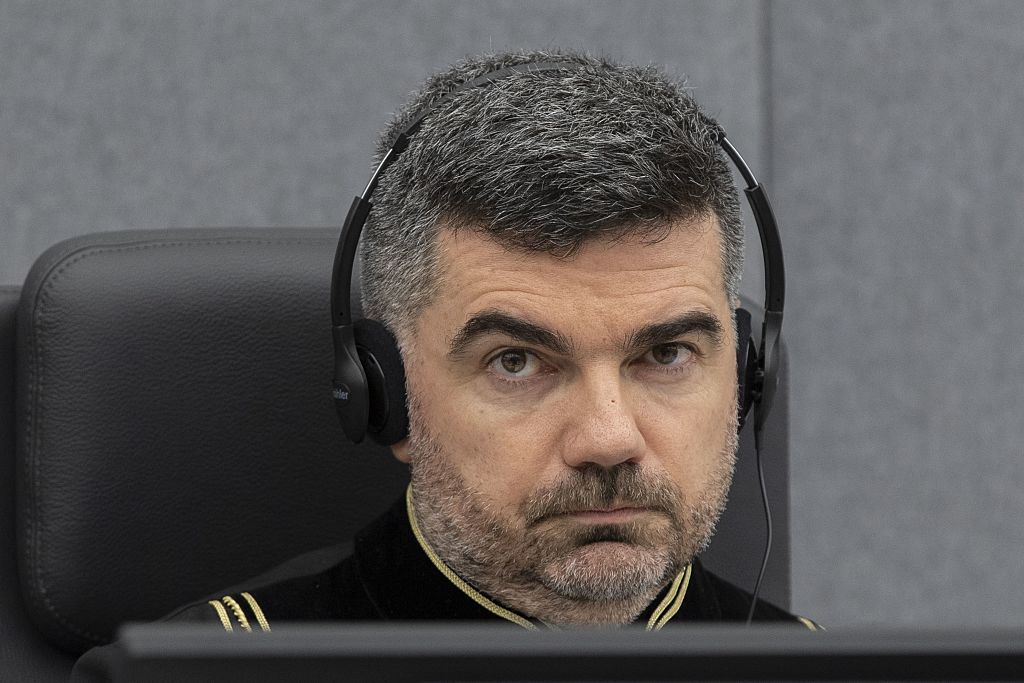
Europe is increasingly turning toward sanctions and military buildup in the name of resisting other states’ authoritarianism. Yet troublingly, within its own borders it is also building up tools to stifle critics of Israel and EU foreign policy. (Peter Dejong / ANP / AFP via Getty Images)
Imagine you’re at the supermarket one day, but weirdly your card doesn’t work. You try to check your account online, and it doesn’t let you log in. You call the bank, but it tells you that it’s unable to disclose any information about why this is happening. At home, you try to find out what happened, perhaps googling your name. And then you find out: your name has ended up on a sanctions list. Only weeks later do you get an official letter informing you about your new status. The letter itself is strewn with errors. It’s unclear what exactly you’re meant to have done wrong. And there’s nothing to tell you how you can defend yourself.
Recently, such cases have become ever more common. Economic and travel sanctions imposed by the United States or the European Union, originally intended as a gentler alternative to military intervention or police measures against dictatorships and human rights violators, are increasingly targeting individuals and organizations whose politics are deemed beyond the pale. Several cases have caused an international stir in recent months.
In August 2025, Nicolas Guillou, a French judge at the International Criminal Court, found himself locked out of the financial system and most online services. Why? Because the United States had placed him on a sanctions list that also includes al-Qaeda members, drug smugglers, and Vladimir Putin, simply because the court issued an arrest warrant for Israeli Prime Minister Benjamin Netanyahu. Five other ICC judges and three prosecutors have also ended up on the sanctions list.