A Lottocratic Political System Would Empower Ordinary People
American democracy seems to be falling into an ever greater crisis. A lottocratic system, in which citizens are randomly selected to serve as legislators, could empower ordinary people and stem political dysfunction.
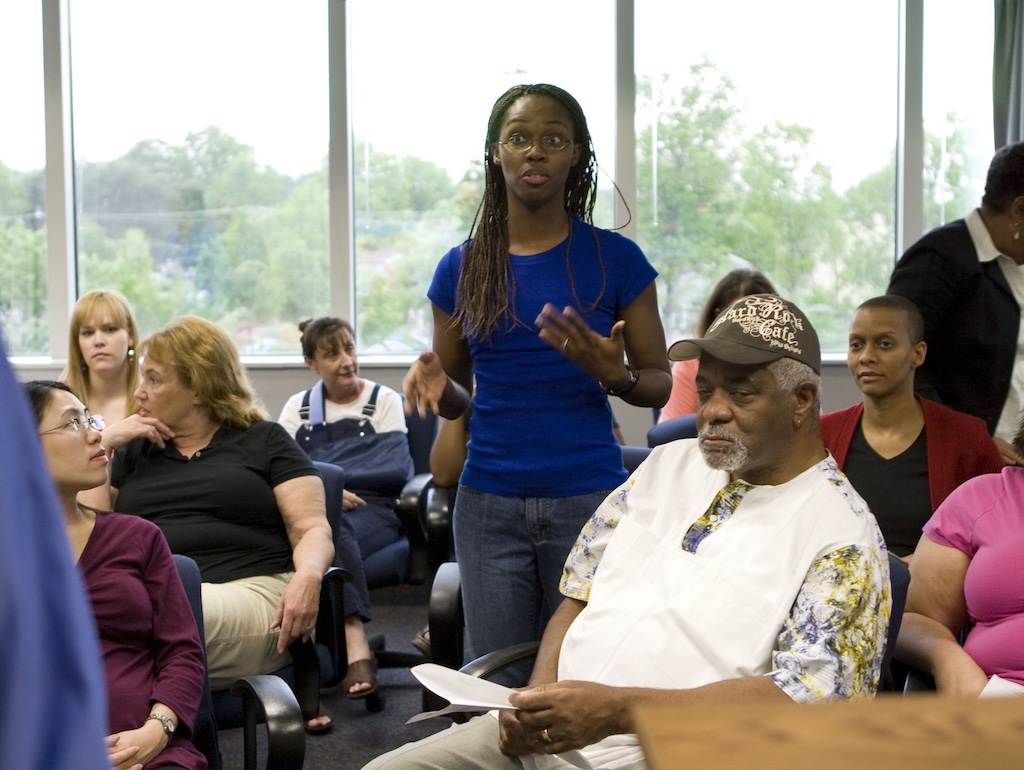
A “lottocracy,” a lottery-based political system, could better serve the values of democracy and equality. (Smith Collection / Gado / Getty Images)
American democracy seems to be falling into an ever-greater crisis, with public approval of our political institutions continuing to fall as Donald Trump’s presidency becomes more and more authoritarian. Behind it all, both the Democratic and Republican Parties continue to be dominated by the interests of large, wealthy donors.
Some of the United States’ political dysfunction can be attributed to our particularly antimajoritarian constitutional order. But could representative elections themselves be part of the problem? Alex Guerrero, professor of philosophy at Rutgers University and author of Lottocracy: Democracy Without Elections, thinks so.
In Lottocracy, Guerrero argues that a system where citizens are randomly selected to serve as legislators, rather than elected, would give ordinary people more influence over political decision-making and help break the power of economic elites. Matt McManus, assistant professor of political science at Spelman College and a regular Jacobin contributor, recently interviewed Guerrero about the arguments of his book and why he thinks a lottery-based political system can better serve the values of democracy and equality.