Could Democracy by Lottery Fix a Broken System?
Elections keep handing power to elites. Anand Gopal and Ben Burgis debate whether choosing officials by lottery, as ancient Athens did, would be an improvement on representative democracy.
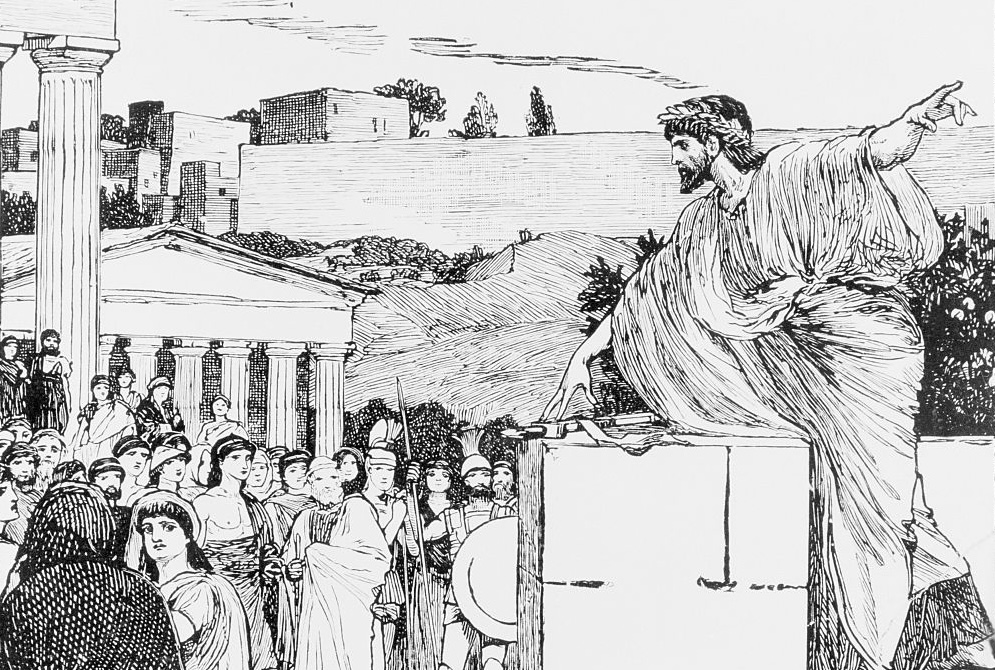
Ancient Athens chose its officials by lot. Could “democracy by lottery” fix our broken republic? (Bettmann / Getty Images)
Across the world, it appears democracy is in retreat. Democratic institutions are degrading, voter turnout is plummeting, party membership is cratering, and citizens increasingly feel shut out of the decisions that govern their lives. Even in the healthiest capitalist democracies, elites wield outsize influence over the political process.
One possible answer is buried in democracy’s own past. Long before modern republics settled on elections as the default instrument of self-governance, ancient Athenians used a different method: sortition, the random selection of ordinary citizens to deliberate and decide on policy. Legislative agenda setters, council members, and most other officeholders were chosen entirely by lot.
In what follows, Jacobin contributors Anand Gopal and Ben Burgis debate the idea and what it would take to achieve a truly democratic society.