The Red Scare Blueprint
A 1917 effort to deport political radicals from Seattle became the model for all 20th-century deportation crusades.
(MOHAI, 1964.3309.1)
The deportation crusade began in Seattle. The country was at war, an unpopular war, and there was an unsettled timber strike in the woods of western Washington. The city was awash with migrant workers — most of them loggers sheltering from the winter rains. The wartime strike wave continued unabated; from Russia the news was foreboding, with whispers of revolution everywhere. The year was 1917.
Desperate, the city’s embattled employers joined the lumbermen in begging for federal intervention to crush the strikes. This had been withheld in the first years of Woodrow Wilson’s presidency, but in 1917 the tide turned and they would get it — a scheme to deport “alien radicals” en masse. While the suppression of working-class radicalism didn’t begin in Seattle, the deportations did, taking it to a new level. Arbitrary and ruthless in its application, Seattle’s campaign of repression would become a model for the better-known crusades to come — the Red Scare and US attorney general A. Mitchell Palmer’s national raids of 1919–1920.
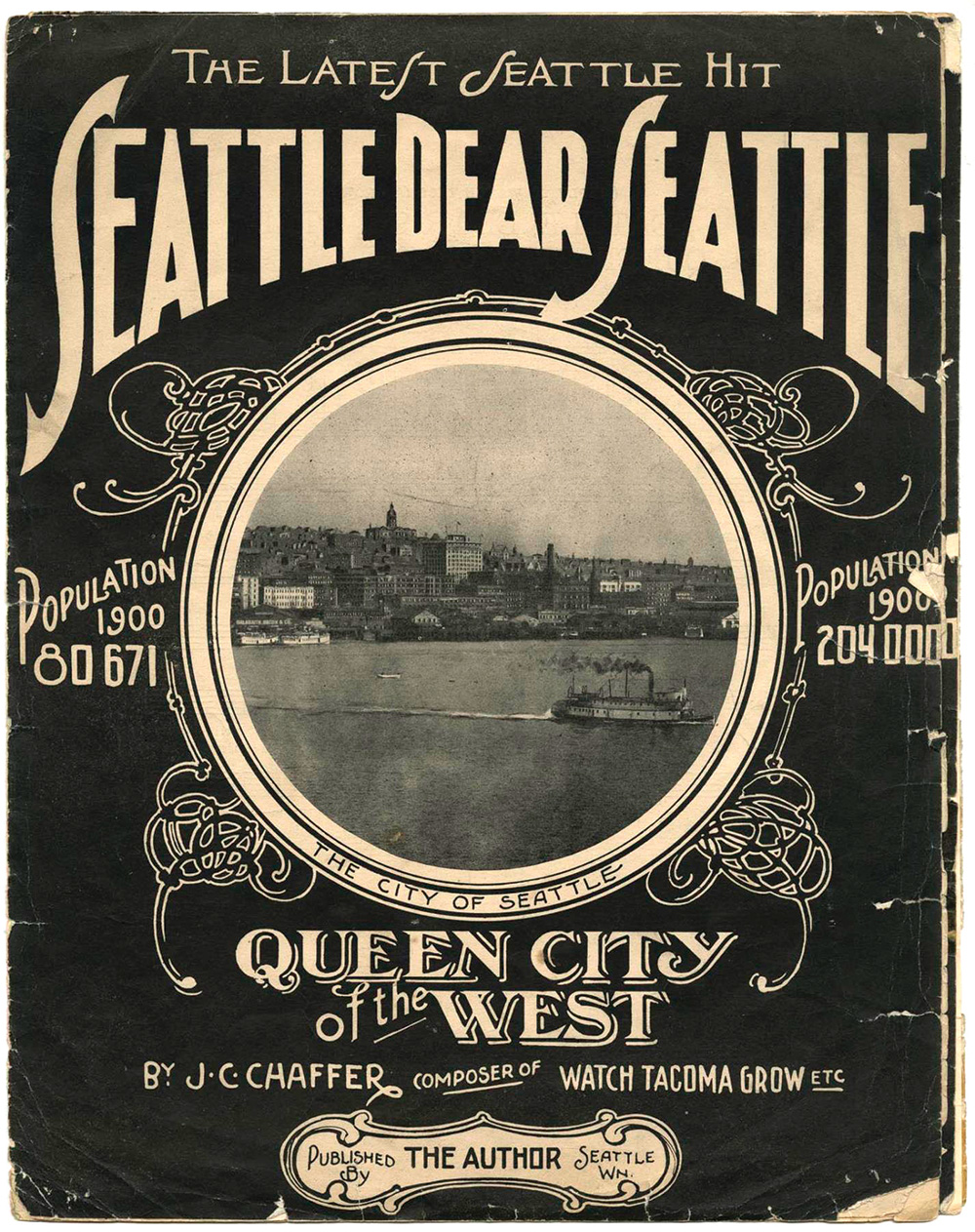
Seattle was a boomtown in the 1910s. Its shipyards and waterfront outpaced all others on the Pacific coast, in part due to its monopoly on the Alaska trade. It was also the center of radicalism in the Pacific Northwest. In a surging economy, its powerful labor movement was led by socialists. Eugene Debs, the best-known socialist of the times, reckoned Washington likely to be the first state to “go socialist.” It didn’t, but in 1919 Seattle was the site of the great general strike, five days in February when workers and their unions ran the city and “nothing moved but the tide.”