How Israel’s War Economy Defied Economic Predictions
Many observers thought that years of prolonged war would cripple Israel’s economy. But the opposite has happened. By giving billions of shekels in compensation to reservists, Israel has managed to keep its citizens spending while Gaza burns.
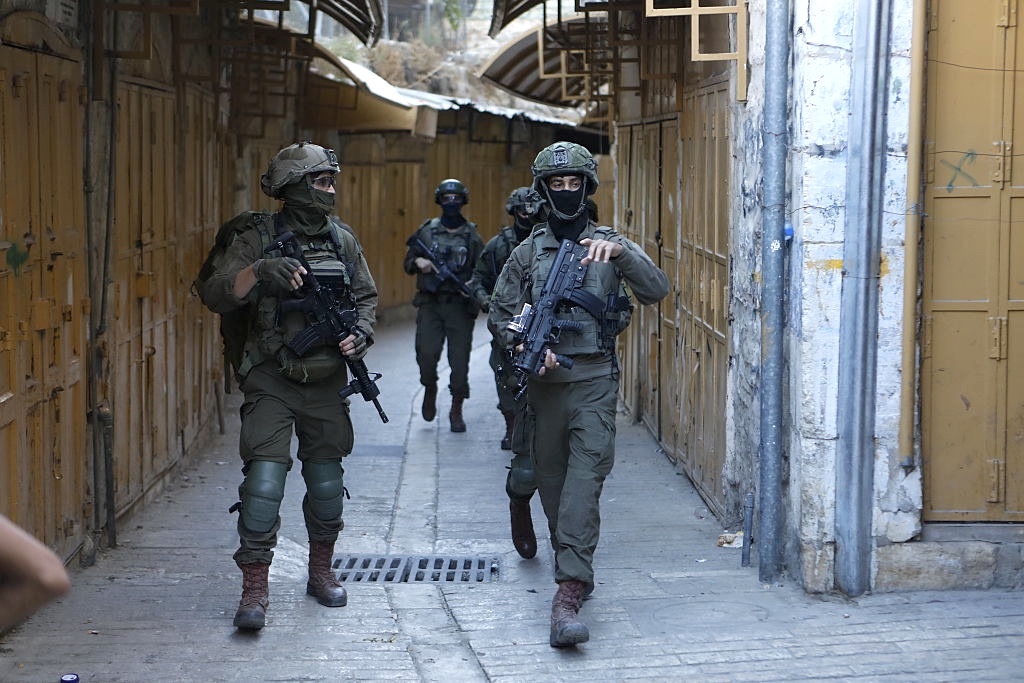
Israel has managed to keep its economy humming in wartime by paying reservists, in some cases $8,000 per month, plus benefits and access to social services.(Mamoun Wazwaz / Anadolu via Getty Images)
When Hamas launched its attack on Israel on October 7, 2023, and Israel went to war, economists worldwide braced for a familiar pattern. History teaches us that wars devastate economies in predictable ways: people stop buying cars and furniture, businesses shut down, unemployment soars, and governments take over the economy by spending massively on weapons and military equipment.
Israel seemed destined for this classic wartime economic transformation. Defense spending has shot up by more than 50 percent since October 2023. The Israel Defense Forces (IDF) has called up hundreds of thousands of reservists, pulling workers out of offices, factories, and shops. International investors, many of whom expected the economy to crater under the weight of prolonged conflict, have grown nervous. Instead, something unexpected has happened.
Rather than collapsing, Israel’s economy proved remarkably resilient. While exports declined sharply and many core sectors — like tourism and construction — struggled, the overall economy has continued to enjoy modest levels of growth. The Israeli shekel has also remained strong against major currencies and the Tel Aviv Stock Exchange, defying gravity, continues to climb throughout the conflict. Most surprising of all: Israelis are still shopping.