When Queensland Went Socialist
Between 1915 and 1924, the Queensland Labor Party set about building socialism in Australia’s Sunshine State. It was and remains one of the most ambitious reforming programs in Labor’s history.
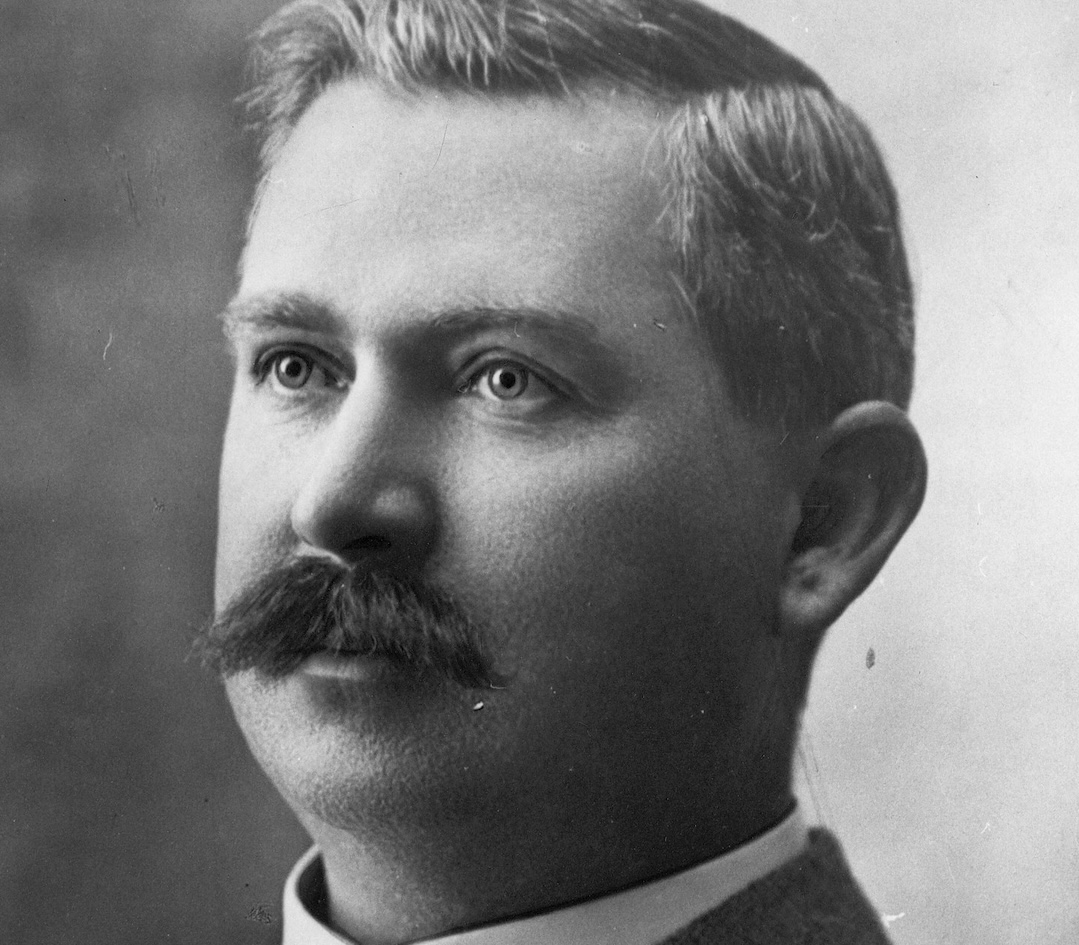
Queensland premier T. J. Ryan, photographed in 1916. (State Library of Queensland / Wikimedia Commons)
Although it seems unthinkable for the modern Australian Labor Party (ALP), in the past, democratically mandated Labor governments have attempted to enact reforms that pushed, however moderately, in a socialist direction. But whenever they have, capital has found ways to outmaneuver the ALP outside the walls of Parliament.
Extraparliamentary pressure — including capital strikes and the danger of right-wing paramilitaries — undermined Ben Chifley and Gough Whitlam’s federal Labor governments, as well as Jack Lang’s New South Wales state government, forcing them to abandon the socialist planks of their platforms. Famously, Lang and Whitlam were ultimately brought down by outright constitutional coups.
But arguably, Labor’s most consequential defeat is also one of its least remembered. Between 1915 and 1924, Labor held government in Queensland (QLD) and attempted to enact an ambitious socialist program. Anglo-Australian pastoral, mercantile, and financial capitalists were incensed. After they exhausted the institutional avenues available to them — including Parliament, the courts, and elections — they decided to take the gloves off, organizing a crippling capital strike against the Labor premier, “Red” Ted Theodore.