The Rise and Fall of Jack Lang, Australia’s Renegade Labor Premier
Jack Lang enjoys a reputation as Australia’s most radical Labor leader. Lang didn’t start off on the party’s left, but he refused to impose austerity measures as New South Wales premier during the Great Depression, leading to a bitter confrontation and Lang’s dismissal from office.
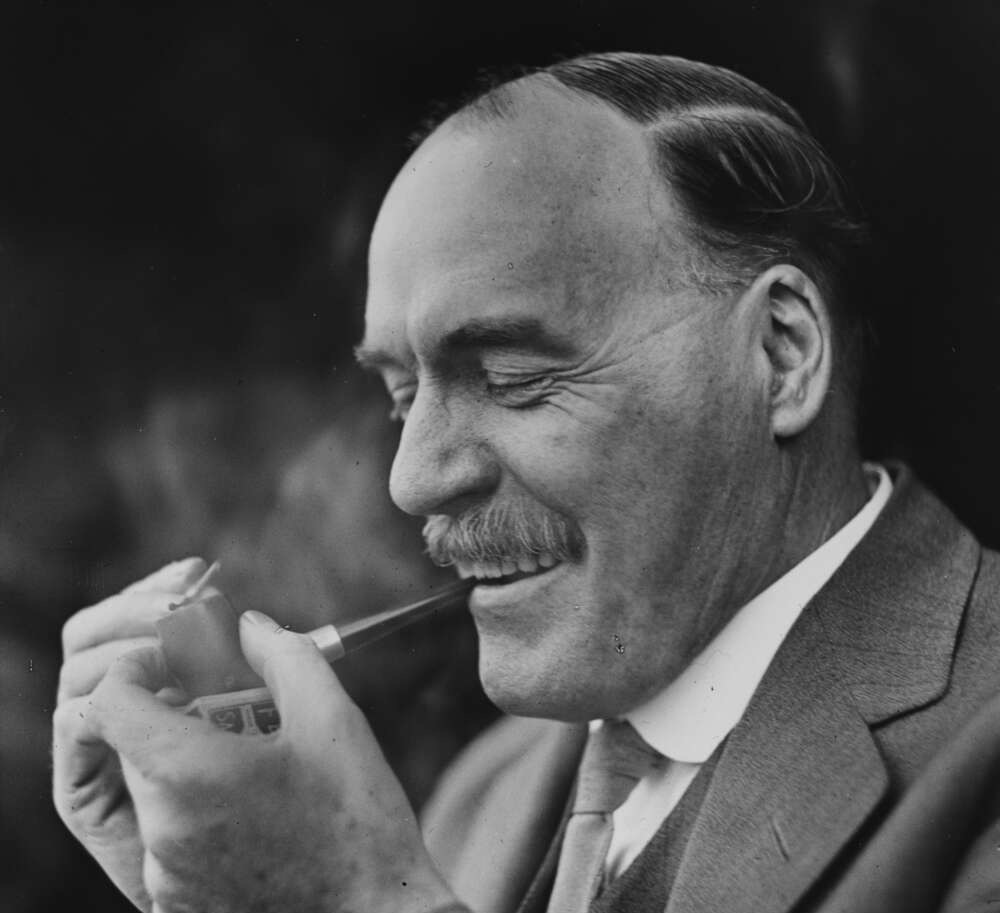
Jack Lang smokes his trademark pipe in 1930. (National Library of Australia)
Jack Lang is the only Australian political figure from as far back as the Great Depression who still has a hold on popular memory. A renegade Labor leader and a populist, Lang led the New South Wales (NSW) Labor Party from 1923 to 1939 and served as NSW premier twice, in 1925–27 and 1930–32.
During his second stint in government, Lang defied the austerity orthodoxy of the time and repudiated NSW’s overseas debt. When the NSW governor dismissed Lang in 1932, it consolidated his legendary status for a generation of Labor supporters. However, many on the radical left deny Lang a place in any pantheon of working-class heroes because of his racist nationalism and anti-communism.
What most accounts miss is the role that socialists played in Lang’s rise and fall. For a crucial period in NSW, socialists formed a central part of the populist movement that elected and defended Lang. When that movement disintegrated, the Right of the NSW Australian Labor Party (ALP) regained control of the party machine.