Senegal’s Ousmane Sembène Was a True Cinematic Revolutionary
The Senegalese director Ousmane Sembène earned his reputation as the father of African cinema with a series of brilliant movies. Socialist and anti-colonial politics had a profound influence on Sembène, who was also one of Africa’s great novelists.
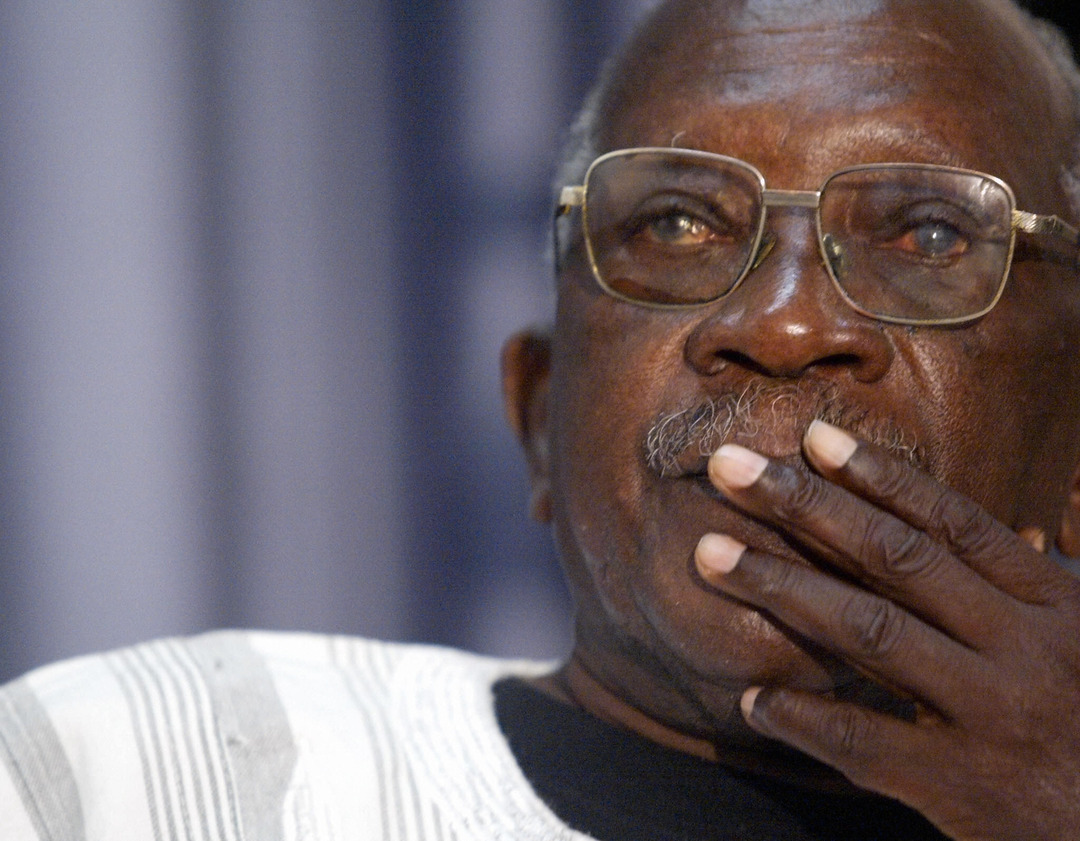
Senegalese writer and director Ousmane Sembène listens during a film class during Dakar’s sixth neighborhood film festival on December 17, 2004. (Sellyou / AFP via Getty Images)
Commentaries on Ousmane Sembène often hail the Senegalese director as the “father of African cinema,” a pioneer with an illustrious string of firsts to his name: the first film shot in Africa by a sub-Saharan African, Borom Sarret (1962); the first feature film, Black Girl (1966); and the first film in a sub-Saharan African language, Mandabi (1968).
These were not the only achievements he had to his name. Sembène also just happened to be one of the continent’s great twentieth-century novelists. Before his artistic career, he had been a fisherman, a mechanic, a soldier, a docker, and a trade union activist.
The vast majority of cultural figures in France’s African empire were products of a colonial education against which they sought to rebel to various degrees, which makes Sembène’s artistic trajectory pretty unique. How did this son of a fisherman without much formal education rise to become one of the giants of twentieth-century African culture?