Filming the Story of Amílcar Cabral’s Revolution
Half a century ago, Amílcar Cabral asked a group of young filmmakers from Guinea-Bissau to bring his country’s independence struggle to the big screen. They’re now completing the project as a tribute to one of Africa’s greatest revolutionaries.
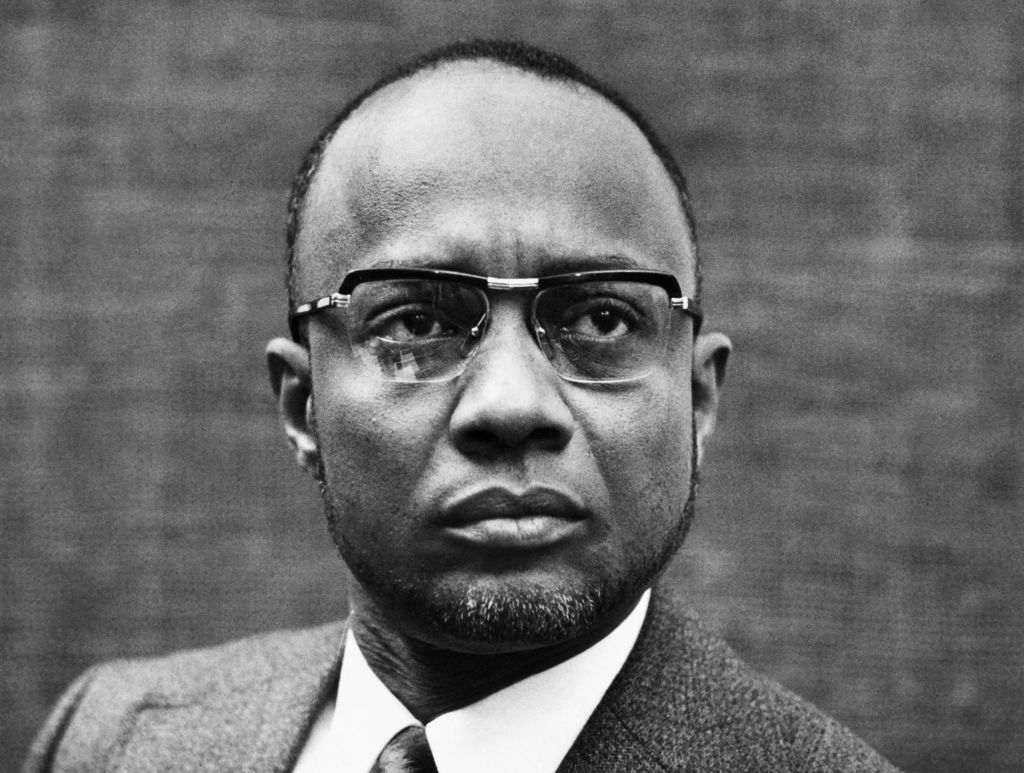
Amílcar Cabral in 1971. (Lehtikuva / AFP via Getty Images)
In the early 1970s, the African liberation leader Amílcar Cabral entrusted a group of four young filmmakers from Guinea-Bissau with documenting the country’s war for independence against the fascist regime in Portugal. Cabral’s movement made a vital contribution to the struggle against the Portuguese dictatorship that culminated in the Carnation Revolution fifty years ago today.
Before they could complete the film, however, Cabral was assassinated. Flora Gomes and Sana Na N’Hada are the last two surviving members of the original group, and now both legendary filmmakers in their own right. They are now raising funds this week through Kickstarter to finally finish their documentary and fulfill their promise to the late revolutionary.
Michael Galant of the Progressive International (PI), with the facilitation of writer and researcher Ricci Shryock, spoke to Gomes about this latest project, his experience in the Bissau-Guinean liberation struggle, and the relationship between cinema and revolution. This interview is republished from the Internationalist, the PI’s newsletter.