For Truly Radical Filmmaking, Look to Third Cinema
During the late 1960s, two leftist Argentine filmmakers wrote a manifesto that called for a new type of filmmaking known as “Third Cinema.” This movement led to the creation of some of the most radical and anti-colonial films in the history of cinema.
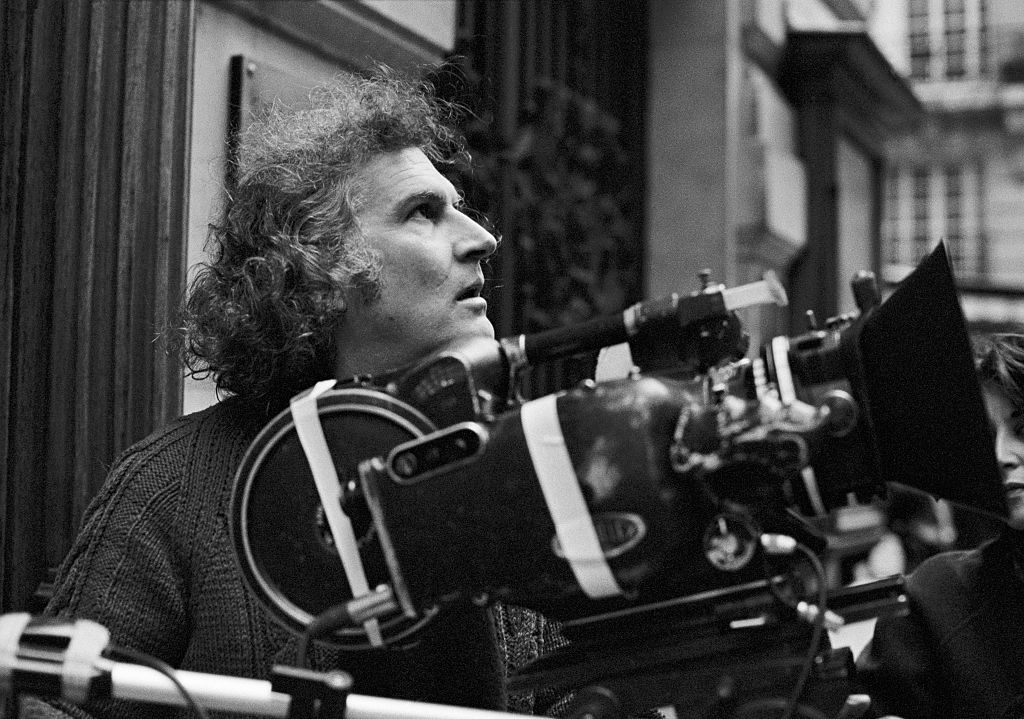
Argentine director Fernando Solanas on the set of 1985 movie Tangos, el exilio de Gardel (Tangos, the Exile of Gardel). (Frederic Meylan / Sygma via Getty Images)
Barbie is a radical takedown of not only the patriarchy, but the conventions of cinema itself. Or it’s a movie-length commercial sweetened with pseudofeminist platitudes. Oppenheimer is a scathing indictment of a tortured genius whose amoral personal ambition left nothing but destruction in its wake. Or it’s a shiny canonization of the man behind one of history’s greatest atrocities.
The battle over the politics of the latest blockbusters exploded weeks before release. Like Oppenheimer’s unobserved quantum particles, movies in the Twitter era exist simultaneously in antithetical states; both revolutionary and reactionary, woke and problematic. Onto every film, an exaggerated image of one’s own position — or one’s enemies — can be projected.
Criticizing the politics of mass media is undoubtedly a worthwhile project. But in the sea of overbaked culture war discourse, it’s easy to lose sight of land. What should the anti-capitalist moviegoer look for on the horizon? What is the North Star of leftist film?