Supreme Court Lobbyists Don’t Want to Reveal Their Funders
A government committee in charge of federal judiciary rules wants to make Supreme Court lobbyists disclose who is funding them. Some of the most powerful corporate and conservative forces in DC are trying to keep that information secret.
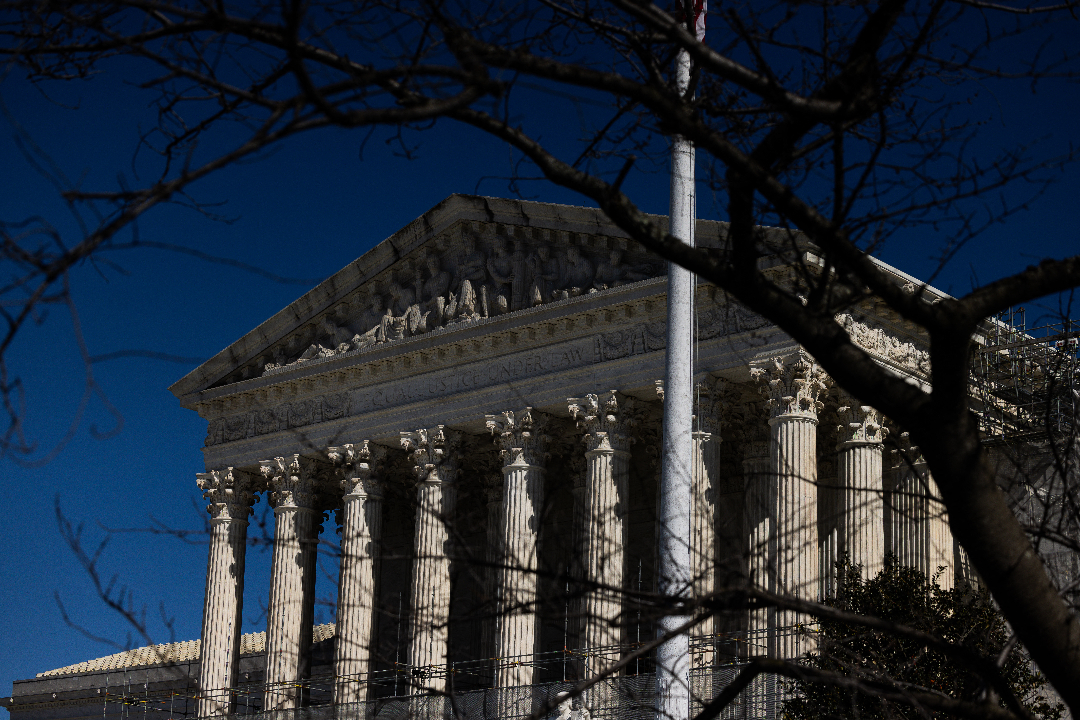
The US Supreme Court is seen in Washington, DC, March 2, 2025. (Tierney L. Cross / AFP via Getty Images)
Does the public have a right to know who exactly is paying to lobby judges to deliver favorable rulings? A committee in charge of federal judiciary rules recently said yes, but some of the most powerful corporate and conservative forces in Washington are now saying hell no — and trying to keep the information secret.
At issue are amicus briefs, expert legal filings designed to sway judges considering cases. Over the past several decades, business interests have built a lucrative industry in which they pay shadowy advocacy groups to author the briefs on their behalf, leaving the public and judges unable to know who sponsored the filings.
The panel of federal judges overseeing judicial branch procedures recently issued a new rule requiring the filers of these amicus briefs to disclose most of their financial backers and potential conflicts of interest when they file the briefs in lower courts.