French Pensions Face Squeeze From Defense Budget Hikes
French premier François Bayrou survived a confidence vote in February after promising fresh talks over pension age rise. But no change has been forthcoming — and calls for increased defense spending are pressuring pensions even further.
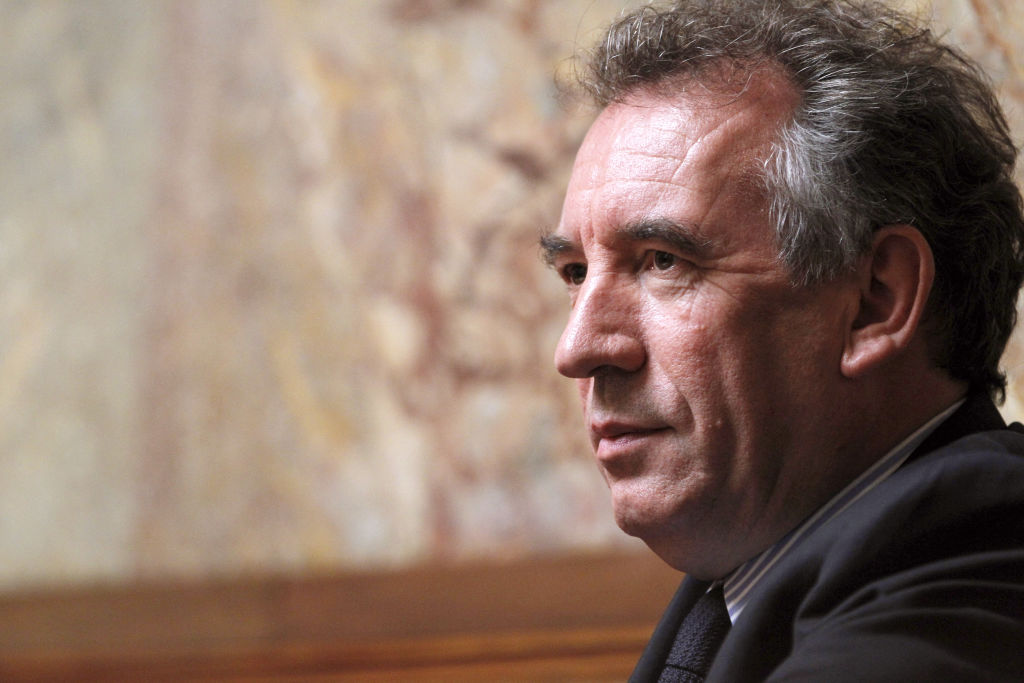
François Bayrou at the French National Assembly in Paris on September 14, 2010. (Patrick Kovarik / AFP via Getty Images)
After a rocky start, François Bayrou held onto his position as prime minister in February by making France a promise. Trade unions and business lobbies, he said, would be able to hold a series of negotiations to hash out possible amendments to President Emmanuel Macron’s controversial 2023 reform to France’s retirement system. Adopted without a parliamentary vote, Macron’s pension law extracted savings solely on the backs of late-career workers, increasing the retirement age for public pensions from sixty-two to sixty-four while safeguarding employers and wealthy retirees from new charges.
There would be no “totems or taboos” in any reworking of the law, the new prime minister pledged. This meant that — at least in theory — a retreat on the retirement age was not off the table. Whatever emerged from the negotiations was to be transmitted to parliament for an up-or-down vote by this summer. Thanks to these pledges, Bayrou was able to win the tacit support of the center-left Parti Socialiste, which abstained from a no-confidence vote in early February that might have caused the collapse of his government.
Weeks later, Bayrou’s format now appears to be cracking apart, as the prime minister himself explicitly rules out any repeal of the most controversial element of the 2023 law.