“Buy Now, Pay Later” Companies Are an Unregulated Racket
“Buy now, pay later” companies like Klarna present themselves as friendly, interest-free alternatives to credit cards. Consumer advocates warn that the services don’t have proper guardrails, leading to potentially dangerous consequences for users.
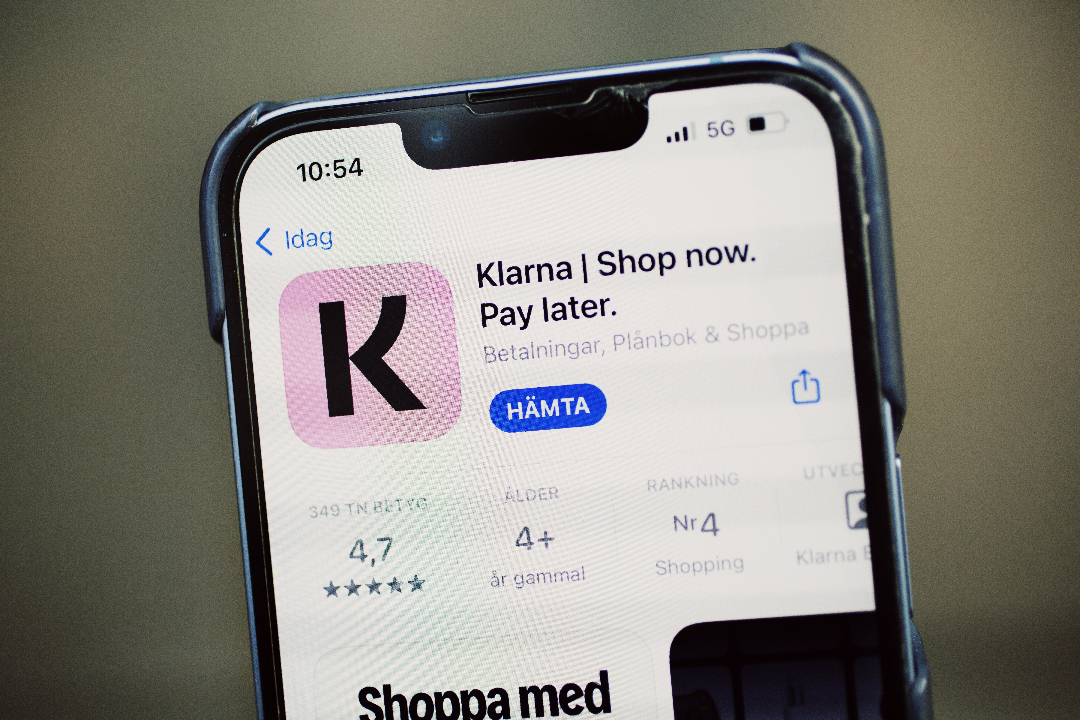
Klarna, a Swedish lending technology firm, boasts 85 million users worldwide, making it one of the biggest companies in the burgeoning buy now, pay later industry. (Erika Gerdemark / Bloomberg via Getty Images)
Shawn, a thirty-five-year-old IT specialist who lives in Ohio, first learned about Klarna while shopping for a climbing tower to keep Memes, his American Shorthair cat, entertained.
“It was at Petco,” he said, referring to a national chain of pet stores. “They had these little signs: ‘Split this into four payments.’” Klarna’s logo, rendered in bright pink, looked “friendly and hip.” Shawn signed up for the payment plan with his cellphone and bought a $100 cat tree for Memes. With Klarna, he only had to pay $25 up front and could split the rest up into two-week intervals. He had no reason to think that anything negative would come out of the decision.
Klarna, a Swedish lending technology firm, boasts 85 million users worldwide, making it one of the biggest companies in a burgeoning industry called “buy now, pay later,” or BNPL, which allows consumers to make purchases in interest-free installments. The payment plans boomed during the pandemic as lockdowns pushed millions toward online shopping. Originally associated with basic retail goods like clothes and cosmetics, buy now, pay later options are now touted as a way to pay for everything from college tuition to doctors’ visits.