No, Mexico’s Judicial Reform Isn’t a Risk to Democracy
Mexico is overhauling its justice system by having voters elect Supreme Court judges, but Washington has criticized the move. US allegations of authoritarianism fit into a long history of meddling — and ignore the need to make justices more accountable.
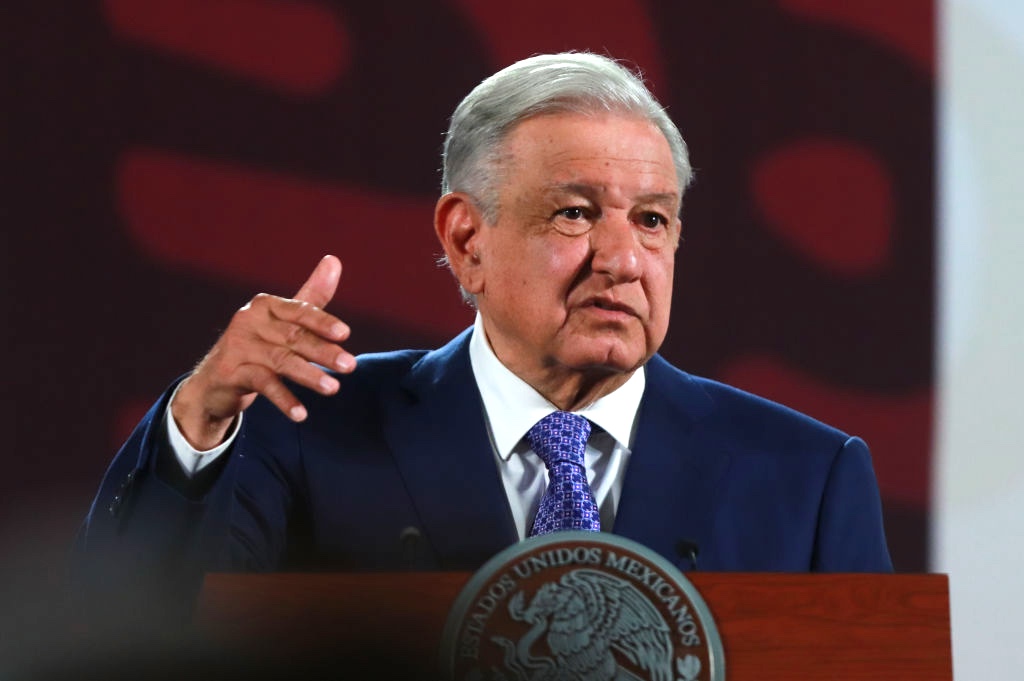
Mexican president Andres Manuel Lopez Obrador speaking during a briefing conference in Mexico City, Mexico. (Carlos Santiago / Eyepix Group / LightRocket via Getty Images)
Exceeding the two-thirds required supermajority, Mexico’s Senate has narrowly passed a constitutional reform package championed by President Andrés Manuel López Obrador (AMLO). It promises to overhaul the country’s justice system — today among the world’s most corrupt and inefficient.
The broad package of reforms, introduced as “Plan C,” has attracted most attention for its sweeping changes to Mexico’s judiciary. Most controversial are those to the Supreme Court. Plan C will reduce its bench from eleven members to nine and reduce justices’ terms from fifteen to twelve years. It will also align their salaries with the president’s, which AMLO decreased by 60 percent after assuming office in 2018. Most importantly, the judicial reform dictates that justices — whether serving on the Supreme Court or at regional and local levels — will no longer be chosen by the president, but directly elected by popular vote.
The outcome of this overhaul remains uncertain to some. But critics, especially in Washington, are sure it’s bad news — and haven’t been shy about saying so.