Mick Lynch Has Put Working-Class Politics Back on the Agenda
British railworkers’ leader Mick Lynch came to prominence as part of the 2022 strike wave. Lynch’s popularity shows the appetite for unapologetic class politics, although trade unions still face major obstacles to converting that mood into power.
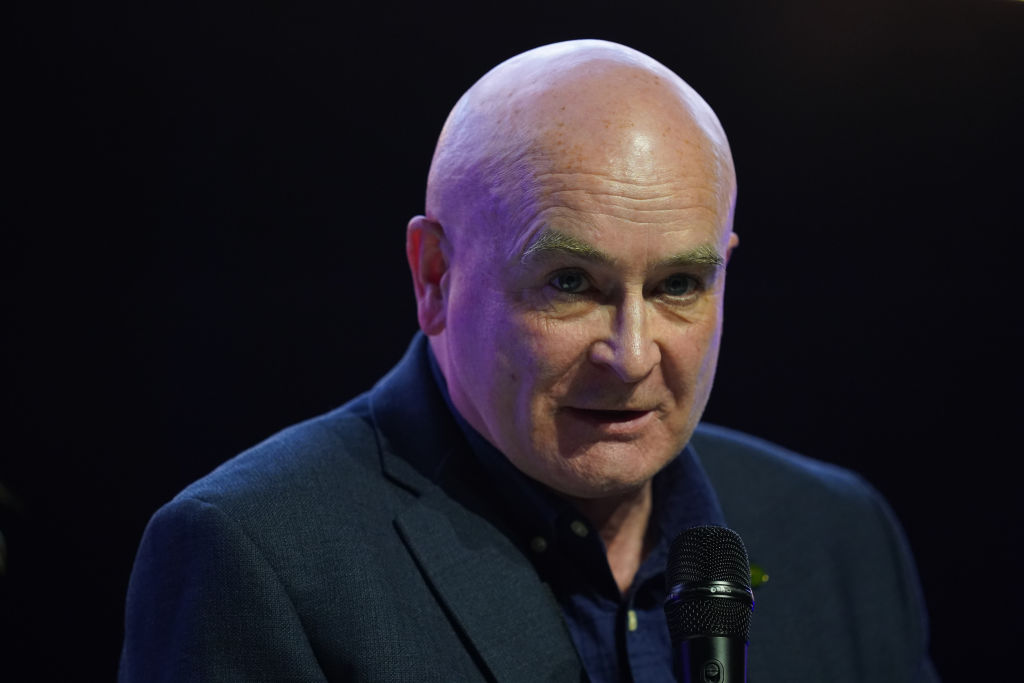
Mick Lynch at the SSE Arena, Belfast, June 15, 2024. (Brian Lawless / PA Images via Getty Images)
“I’m a working-class bloke leading a trade union dispute about jobs, pay and conditions of service.” These were the words that Mick Lynch, the general secretary of the National Union of Rail, Maritime and Transport Workers (RMT), used to rebuke Good Morning Britain television show presenter Richard Madeley in June 2022.
It was one of several high-profile interviews that marked the beginning of Britain’s first national rail strike since 1989. Lynch’s calm and collected style when responding to Madeley’s accusation that he was a dangerous “Marxist,” along with his refusal to suffer fools gladly, made him an instant celebrity who seemed to accord with the sentiment of the moment.
He led a workforce that was at the apex of Britain’s growing strike wave. Lynch was the poster child for a year marked by the highest number of days lost to industrial action since the 1980s — a time when Margaret Thatcher was in power, many industries (including rail) were still nationalized, and levels of union membership and density were both significantly higher.