A Letter From Boris Kagarlitsky in Russian Prison
In February, judges sentenced the Russian Marxist Boris Kagarlitsky to five years in prison under trumped-up charges of “justifying terrorism.” He wrote to Jacobin from his cell about the conditions that he and thousands of other Russian prisoners face.
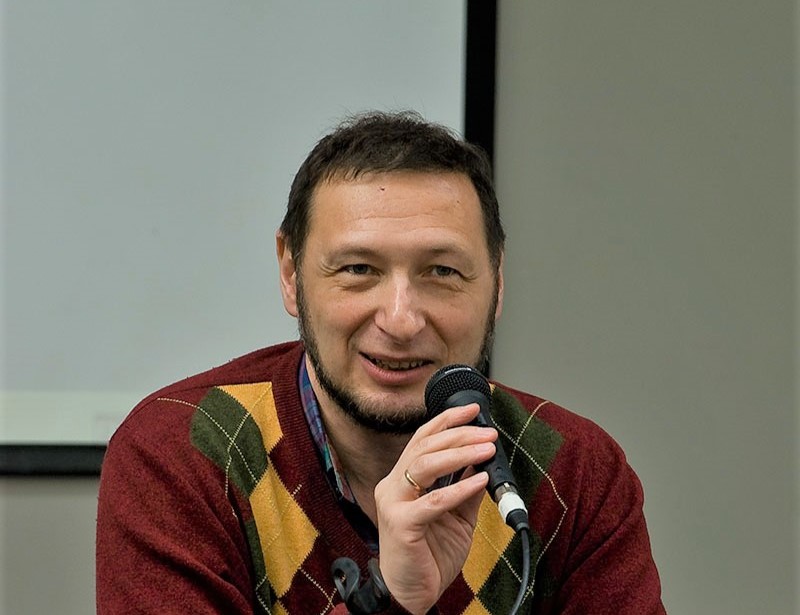
Boris Kagarlitsky in 2008. (Jenya Demina / Wikimedia Commons)
After I returned to Moscow from Syktyvkar, a journalist acquaintance of mine urged me to write something about my experiences in prison. The idea appealed to me, and I immediately set to work. After writing fifteen or so pages, though, I realized that I did not have enough material for a whole book. The problem soon solved itself, when the Leviathan made sure I had new opportunities to top up my knowledge of prison life. Acting on a petition by the Prosecutor’s Office, an appeals court decided to review the sentence imposed in Syktyvkar, and once again put me behind bars.
My latest experience of prison has turned out to be different in many ways from the previous one. In the space of a little over a month I passed through three prisons and five cells, before settling into my “long-term cell,” where I am writing these lines. The result is that I have got to know new people and have gained access to an extremely rich trove of new material. A lot of new thoughts have occurred to me, and little by little I am writing them down (these thoughts do not always have to do with prison life, but they are obviously influenced by my experience here). I am getting plenty of opportunities to reflect on philosophy and psychology, but the richest discoveries are tied up with the moves I have been forced to make from place to place.
Although the rules of prison life are basically the same everywhere, the actual practice can differ markedly, not just from prison to prison, but even from cell to cell. In each place distinct communities come into being, evolve, disintegrate, and form afresh as circumstances change. There are large and small prisons, rich and poor ones, in the provinces and in the capital. The guards may be friendly and even show understanding, but they can also be mean-natured. The inmates are of various human types, belonging to different cultural groups and social classes. There are always things to talk about, though these conversations are by no means always pleasant. As the prisoners are moved from prison to prison, they exchange information about what things were like in their last place, and what might be expected in a new facility. What interests people most of all, of course, is the food. Eating decently is one of the main pleasures to be hoped for in prison life, and hence the quality of the prison cuisine is a topic of especially lively discussion.