How the West Remade the Middle East
Western media often characterizes the Middle East as a region eternally riven with sectarian conflicts. In an interview, historian Ussama Makdisi says this is wrong, starting with the fact that the region has a rich history of multiethnic coexistence.
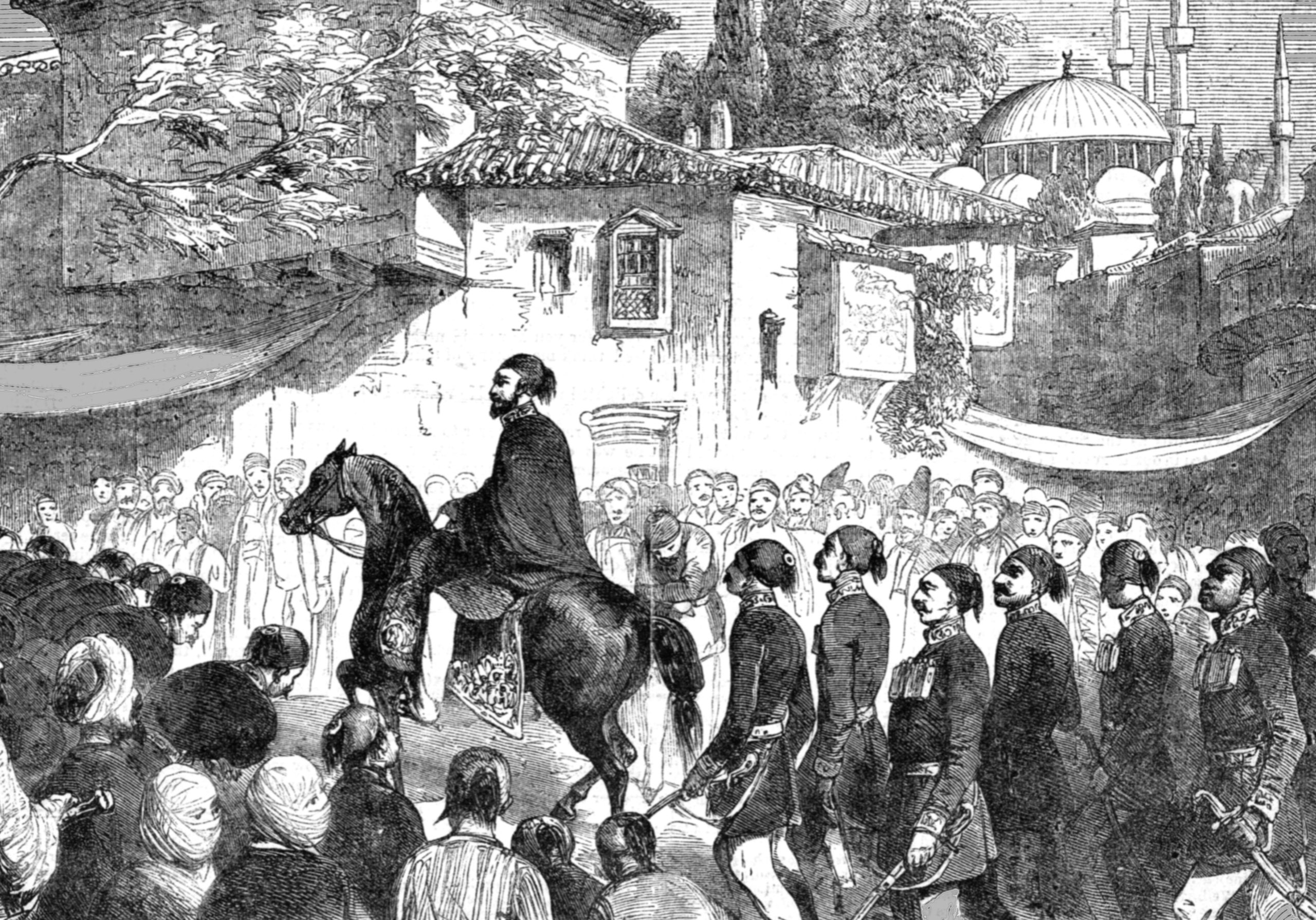
Etching of Sultan Abdul Medjid proceeding to the Sublime Porte in Istanbul, 1854. (Heritage Images / Getty Images)
The modern Middle East is the product of two major events. The first is the breakdown of the Ottoman Empire and the second is the attempt made by Western states to fill this power vacuum by asserting their own territorial claims over the region through the colonial mandate system.
In a two–part interview on Jacobin Radio’s The Dig podcast, Ussama Makdisi, the author of The Age of Coexistence: The Ecumenical Frame and the Making of the Modern Arab World, outlined this complex history. What he shows is that the Middle East, contrary to the Orientalist notion that it is a place of unending conflict and sectarian violence, has a long and rich tradition of ethnic coexistence between Muslims, Jews, Christians, and other minorities. This transcript has been edited for length and clarity.
Daniel Denvir
Your book, The Age of Coexistence, takes on perhaps the most powerful Western myth about the Middle East that the Arab world is a timelessly tribal and war-torn region, a land riven by age-old sectarian divides. Before we get into all the history, what sort of political work does this powerful discourse that you’re demolishing accomplish? And why is the study of history so key to the demystification work that we must all carry out?
Ussama Makdisi