In Africa, the Legacy of the US War on Terror Is Death and Chaos
The United States’ 20-plus-year War on Terror has led to disasters throughout the Middle East. But the greatest failure of US counterterrorism operations may be in Africa, where they have destabilized multiple governments and led to a huge spike in violence.
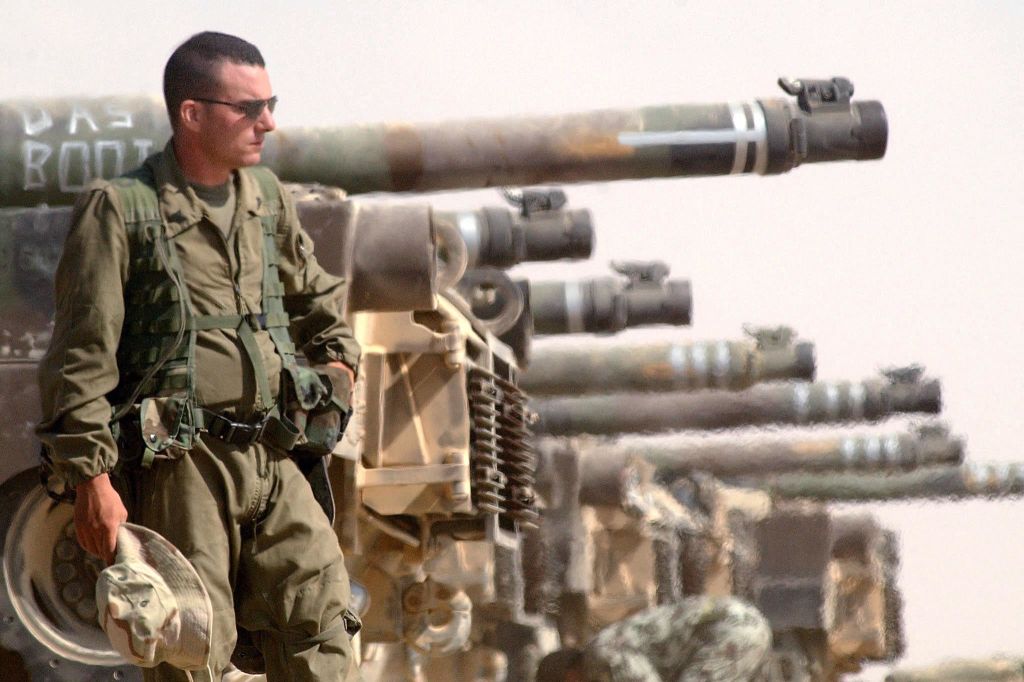
A US sergeant at a training area in Mubarak Military City in the Egyptian desert on October 8, 2001. (USAF / DOD / AFP via Getty Images)
America’s global “war on terror” has seen its share of stalemates, disasters, and outright defeats. During twenty-plus years of armed interventions, the United States has watched its efforts implode in spectacular fashion, from Iraq in 2014 to Afghanistan in 2021. The greatest failure of its “forever wars,” however, may not be in the Middle East, but in Africa.
“Our war on terror begins with al-Qaeda, but it does not end there. It will not end until every terrorist group of global reach has been found, stopped, and defeated,” President George W. Bush told the American people in the immediate wake of the 9/11 attacks, noting specifically that such militants had designs on “vast regions” of Africa.
To shore up that front, the United States began a decades-long effort to provide copious amounts of security assistance, train many thousands of African military officers, set up dozens of outposts, dispatch its own commandos on all manner of missions, create proxy forces, launch drone strikes, and even engage in direct ground combat with militants in Africa. Most Americans, including members of Congress, are unaware of the extent of these operations. As a result, few realize how dramatically America’s shadow war there has failed.