When Peoria Banned Paul Robeson
In April 1947, Paul Robeson, the outspoken leftist artist and singer, was barred from performing in Peoria, Illinois. The repressive move, though fought by a radical labor union of black and white workers, prefigured the Red Scare that would soon envelop the country.
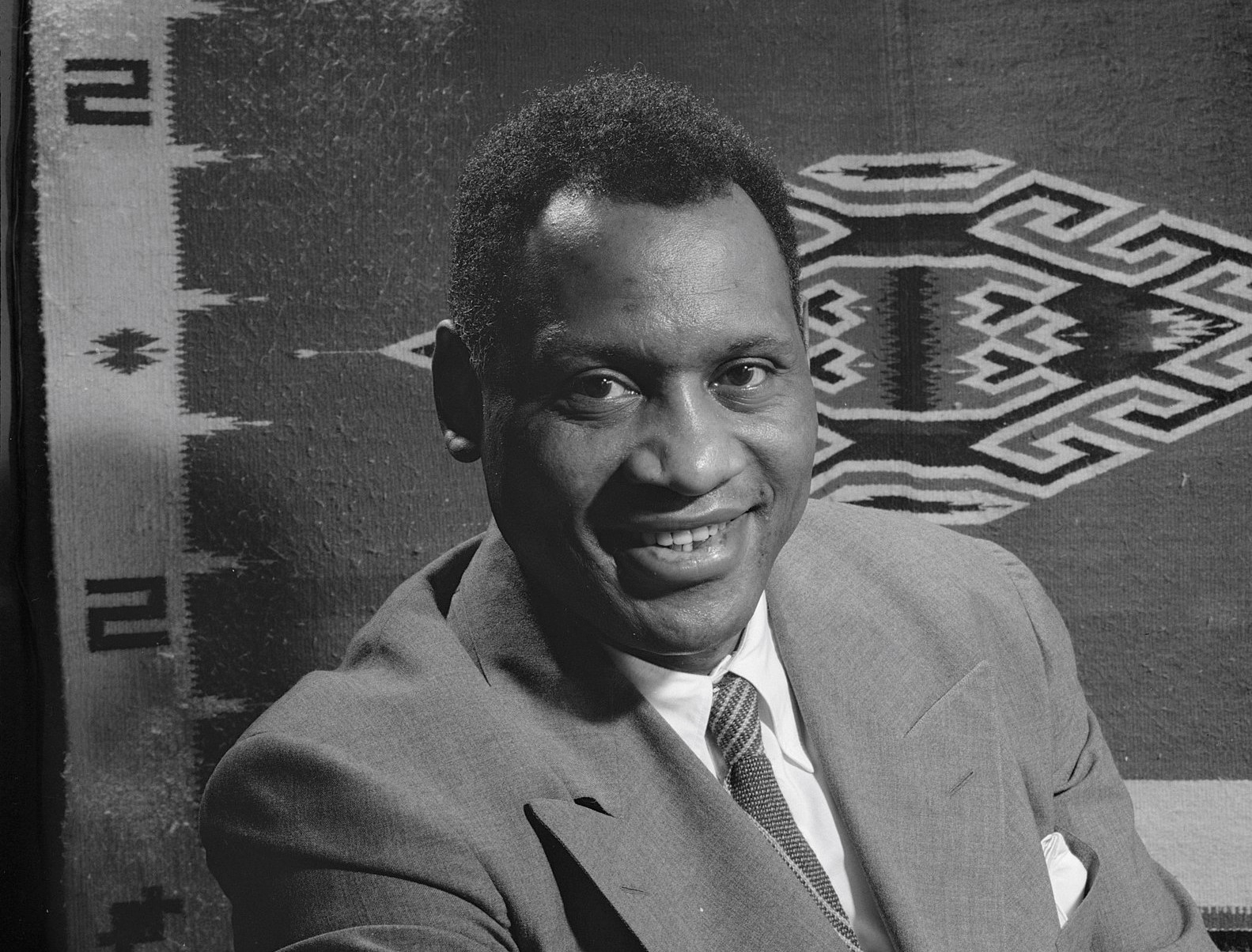
Paul Robeson in 1942. (Gordon Parks / Library of Congress via Wikimedia Commons)
As an actor and singer, Paul Robeson was perhaps the world’s most popular black artist in the 1930s and 1940s. He was also an unapologetic leftist, loudly condemning racism and fascism in the United States and internationally.
But with the beginning of the Cold War, an anti-communist hysteria emerged that would soon engulf the country — smothering the anti-fascist, anti-racist, anti-colonial politics that Robeson and many other leftists still espoused. The most famous “Second Red Scare” incident involving Robeson is the 1949 Peekskill riot, where a right-wing protest-turned-lynch-mob violently marched on a concert headlined by Robeson in the tiny New York town.
Far less well known is an incident two years earlier, in Peoria, Illinois. In April 1947, days after the US House Un-American Activities Committee (HUAC) first attacked Robeson, he was scheduled to perform in Peoria. Almost immediately, Peoria’s entire white power structure — corporate, media, university, and government — condemned Robeson and canceled his concert. Robeson refused to back down. His local allies included African-American activists, particularly those in a radical labor union. Rather than perform publicly, Robeson sang at a tiny house concert hosted by a black union leader.