Paul Robeson Was One of the Greatest Figures of the 20th Century
Paul Robeson’s artistic achievements have stood the test of time. So has his commitment to socialist internationalism and the struggle against racism and colonialism wherever it emerges.
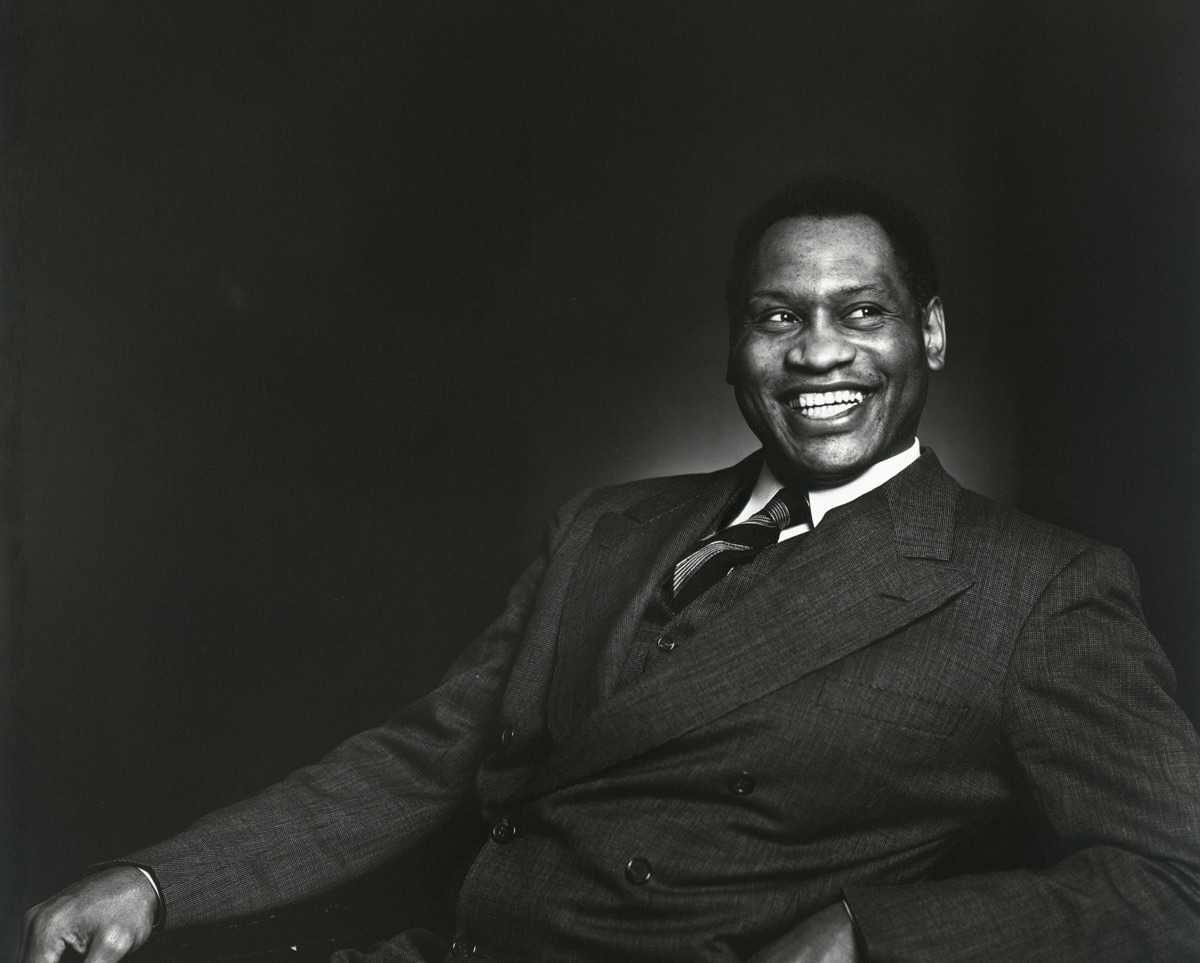
Paul Robeson in 1938. (Yousuf Karsh / National Archives of Canada)
Who is Paul Robeson, the man? He had just about as good a mind, body, will, and voice — all in one person — as functioned in the first half of the twentieth century. Honored throughout the world as an outstanding drama, film, and concert performer, Robeson transferred this artistic prestige to that of a political spokesman on behalf of those seeking to gain and to retain freedom. His friendship with, and active support of, Third World freedom fighters Azikiwe, Kenyatta, Nehru, and Nkrumah attest to this. To the United States State Department, the House Un-American Activities Committee, the renters of major US concert halls, the National Football Hall of Fame, and numerous Rutgers alumni, his political utterances brought infamy and, from some, cries of disloyalty.
So, while there is a Mount Paul Robeson in the USSR, a Paul Robeson Archives in the German Democratic Republic, and an International Stalin Peace Prize in Robeson’s possession, his own government would not even permit him a passport to go abroad to practice his profession; entrepreneurs denied him the privilege of singing in the Carnegie Halls of America for eight long years. His failure to continue supporting a political-economic system whose military efforts against fascism he had actively backed during World War II by recruiting, by publicly justifying, and by entertaining troops at military installations and workers at defense plants, was interpreted by some as treasonable.
Robeson was in the vanguard of significant developments related to black intellectual and political assertion. He was an intellectual forerunner in scholarly publications on African culture and linguistics in the 1930s. His warning to President Truman in 1946 — that unless the US government began to protect black Americans from lynchings, blacks would take the necessary steps of self-defense — preceded the teachings of Malcolm X, Robert Williams, the Deacons for Justice, and the Black Panthers. Robeson had a concrete liberation program. His proposed tactics of using two mass-based organizations — the churches and the labor unions — was an important contribution to black political thought.