Jean Baudrillard Grasped the Symbolic Life of Capital but Lost Track of the Material World
French thinker Jean Baudrillard developed a pioneering analysis of symbolism and consumption in modern capitalism with some valuable insights. But he lost sight of the material structures on which capital’s power depends and drifted into a political dead end.
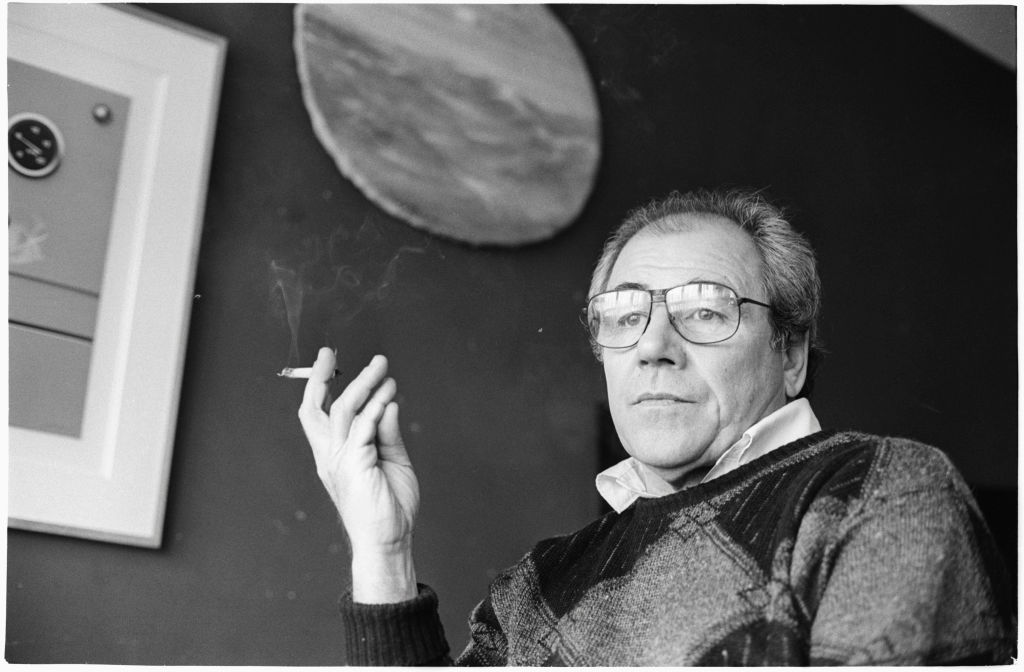
French philosopher and social scientist Jean Baudrillard in Paris. (Sophie Bassouls / Sygma via Getty Images)
What should we think of Jean Baudrillard today? While he was once a key reference point for any student of late-capitalist hyperreality, nobody seems to have said anything about him for years.
On the one hand, this neglect is puzzling. Baudrillard’s pronouncements about the collapse of the line between reality and simulation are surely more prescient than ever, with Russian generals live-streaming their assaults on Ukrainian cities and QAnon “researchers” turning enigmatic 8chan poems into real-world insurrections.
On the other hand, it seems perfectly reasonable: with the revitalization of socialist politics, the performative radicalism of much of Baudrillard’s later work — accompanied by dismissals of Marxism and indeed any emancipatory political project — appears all the more vacuous. Perry Anderson once described Baudrillard as “a thinker whose temper, for better or worse, is incapable of assent to any notion with collective acceptation.” At a time when “thinking differently” for its own sake is the preserve of the far right, it’s doubtful if this kind of attitude will help us.