The Party Was Not Always Right
The tragedies, brutalities, and absurdities of Stalinism are all there onscreen in Costa-Gavras’s classic 1970 film The Confession.
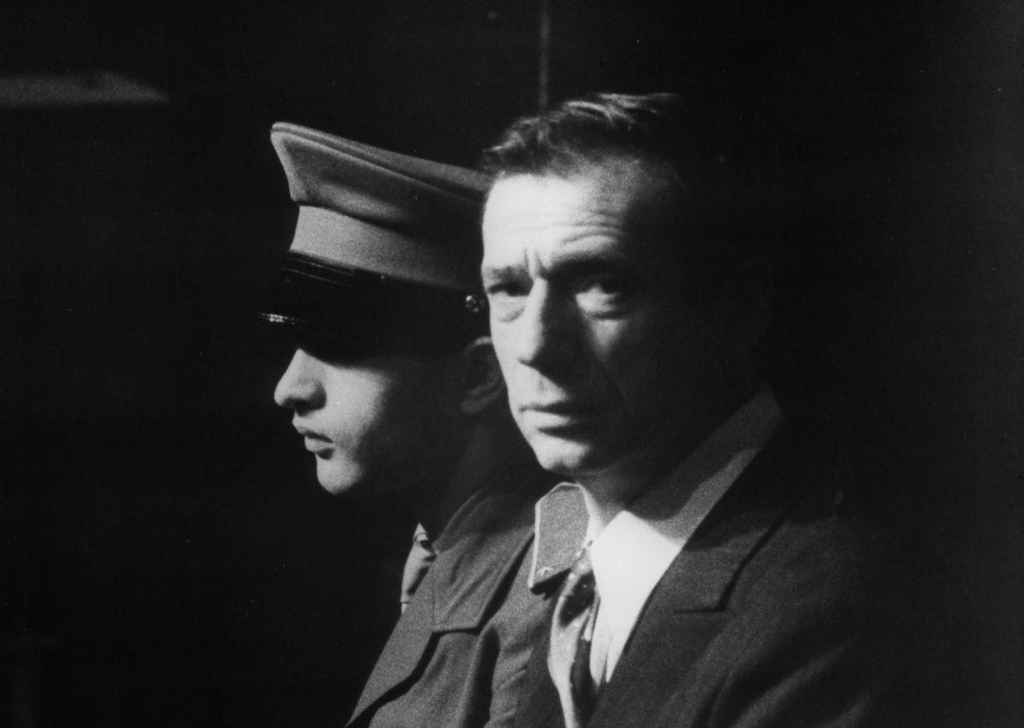
Yves Montand in a scene from The Confession, 1970. (Paramount / Getty Images)
“The party’s always right.” This phrase weighs like a nightmare on the events portrayed in The Confession, the 1970 film by Greek-French director Costa-Gavras based on a book of the same name by Artur London, a high official of the Communist Party of Czechoslovakia (KSČ) who was swept up in the infamous 1952 Slánský trial. London was sentenced to life in prison, but eleven of the fourteen accused, including KSČ general secretary Rudolf Slánský, were hanged for allegedly conspiring against the state.
The trial was totally absurd — the accused were all loyal Communists, not “Trotskyists,” “Titoists,” or “Zionists” in cahoots with the Americans, as the prosecution claimed. But it served the perceived interests of the Kremlin, whose agents instigated the proceedings and literally wrote its script. It also gave a brief reprieve to Czechoslovak president Klement Gottwald, who sacrificed his erstwhile friend and comrade Slánský to avoid being purged himself. Gottwald, who became the party’s general secretary in Slánský’s wake, died the next year of an aneurysm brought on by alcoholism and untreated syphilis.
The iconic French-Italian actor Yves Montand plays London, known as “Gérard” in the film, and the equally iconic Simone Signoret, Montand’s actual wife, plays Gérard’s wife, Lise. Montand and Signoret were themselves leftists, which heightens the film’s moral and political force. Montand’s family fled Italy after Benito Mussolini came to power in 1922. They moved to Marseille, where his father was a Communist Party militant and young Ivo Livi (Montand’s birth name) inherited his father’s leftist political faith.