Greece’s Tragic Rail Accident Was Caused by Austerity and Privatization
Last week, two trains collided in central Greece, claiming 57 lives. Unions had long warned that cuts to the now-privatized rail network would cause a severe accident, but neither the government nor the country’s corporate media heeded the calls.
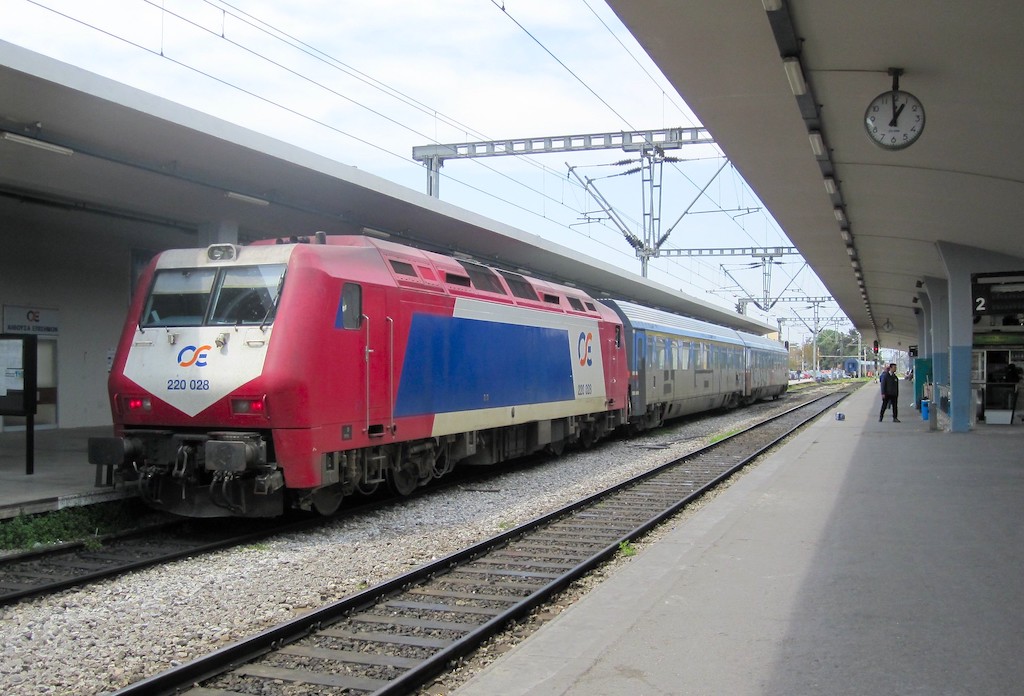
Railway station in Thessaloniki, Greece. (Phil Richards / Flickr)
The devastating railway accident near the Vale of Tempe in central Greece, which lies between Athens and Thessaloniki, has had a profound impact on the nation. The majority of the fifty-seven fatalities (the exact number is still unclear) were young students, either on their way back to the University of Thessaloniki or returning home from a trip to Athens after a three-day break.
The collision was one of Europe’s deadliest rail accidents in a decade. The passenger train was traveling at 160 km/h when it collided head-on with a cargo train moving at 110 km/h. The force of the impact generated temperatures high enough to melt steel. It is unlikely that some victims’ remains will ever be retrieved; others will only be identified through DNA testing.
Now millions in Greece are asking: How was it possible that two trains could travel for all of twelve kilometers on the same railway line, in opposite directions, without anyone noticing? Why weren’t telematics or other safety measures in place?