The Medieval Crusade Against the Cathars Supplied a Template for Modern Oppression
The French monarchy waged an infamous war of extermination against Christian heretics during the 13th century. The Albigensian crusade was a landmark in the development of an oppressive European social order with crucial legacies for the world today.
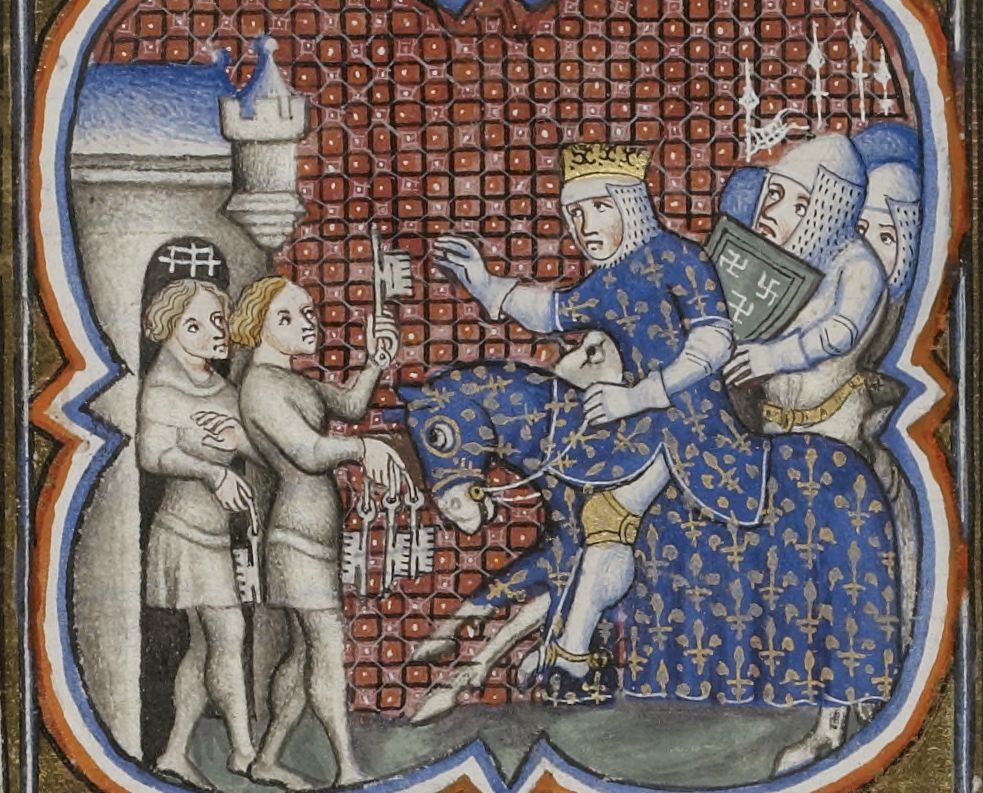
Fifteenth-century image of the conquest of Avignon by Louis VIII of France during the Albigensian crusade. (Grandes Chroniques de France / Wikimedia Commons)
In the thirteenth century, the French monarchy fought a ruthless war against some of its own subjects whom the Catholic Church had branded as “heretics.” Unless you have a particular interest in medieval history, you’re mostly likely to have heard about the Cathars and the Albigensian crusade from visiting the south of France, where the “Cathar” castles are a major part of the tourist industry.
The guidebooks tend to tell a simple story of the tolerant, civilized society of the Languedoc region — which was only vaguely under the control of the French crown at the time and to which “France” was a foreign country — being wiped out by ignorant northerners, with alternative religious believers persecuted by orthodox bigotry.
A closer look at the history of the crusade reveals that it was a landmark in the development of an oppressive social order throughout Europe. The ideologies that took shape to legitimize medieval oppression later supplied a template for new systems of class domination in the modern capitalist world.