Gorbachev Couldn’t Reform the Soviet System — but a Better Socialism Is Possible
Soviet premier Mikhail Gorbachev, who died last week, was a tragic figure. He tried to build a humane socialism on the rotten foundations of authoritarianism. Today, without the albatross of Stalinism, we can fight for an entirely different kind of socialism.
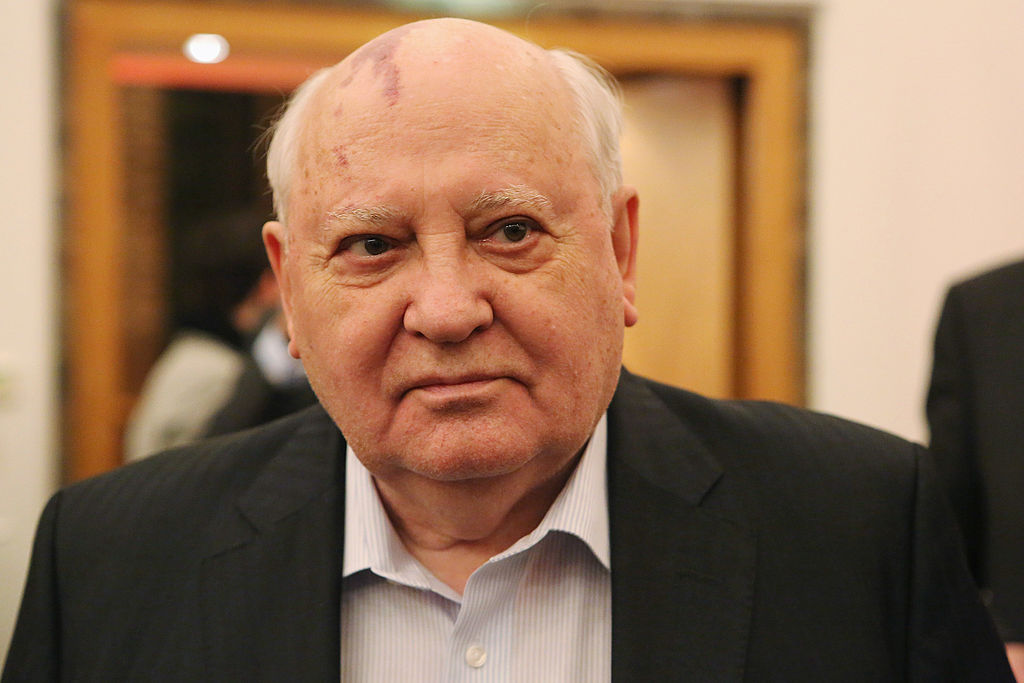
Former leader of the Soviet Union Mikhail Gorbachev attends a literary festival in Cologne, Germany, 2013. (Ralf Juergens / Getty Images)
The final leader of the Soviet Union, Mikhail Gorbachev, was laid to rest on Saturday in Moscow. It wasn’t officially designated as a state funeral, although it had “elements of a state funeral,” and Russian president Vladimir Putin skipped it.
The snub isn’t surprising. Gorbachev’s program of perestroika (restructuring) and glasnost (openness) represented an attempt to liberalize the Soviet system from within. At the same time, he allowed the Warsaw Pact nations in Eastern Europe to determine their own destiny. As a militant Russian imperialist who presides over a brutally unequal society marked by very few vestiges of the socialist past, Putin has little reason to remember Gorbachev fondly.
Western media, for its own reasons, seems unsure of how to remember him. By the end of his tenure in office, Gorbachev was wildly popular in the West because he ended the Cold War and removed what had been the ever-present danger of mutual destruction. But in his later years, he railed against NATO expansion and warned that renewed great power rivalry could bring that danger roaring back — a message that’s unlikely to resonate with journalists who put Ukrainian flags in their Twitter bios. After all, even if he wanted to reform Soviet Communism, he was a Communist.