The WHO Took Too Long to Declare Monkeypox a Public Health Emergency
The World Health Organization recently declared monkeypox a public health emergency, even though it’s been prevalent in parts of Africa for decades. Often motivated by economic concerns, the body's inconsistent decisions are endangering the lives of millions.
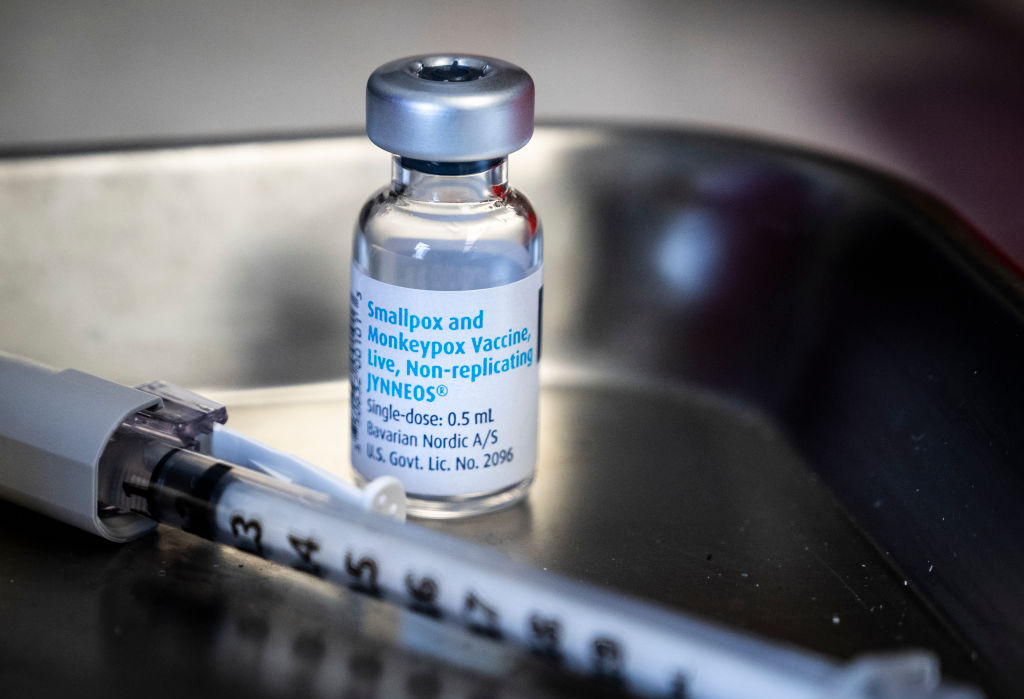
A monkeypox vaccine from a clinic in Tustin, California. (Paul Bersebach / MediaNews Group / Orange County Register via Getty Images)
On July 23, 2022, the World Health Organization (WHO) finally declared monkeypox a global public health emergency of international concern (PHEIC). This is the highest level of alert the organization can make. The WHO made this announcement to raise the alarm and spearhead a much-needed international coordinated response to this outbreak.
WHO’s advisory panel had previously decided against labeling monkeypox a PHEIC not once but twice. Between both meetings, the number of confirmed cases worldwide rose from 3,040 across forty-seven countries to more than 16,000 in seventy-five countries and territories. The number of deaths associated with the disease also increased globally by 114 between January and August 2022. Why, given this marked increase, did it take the WHO so long to decide that a crisis was already underway?
What Is a PHEIC?
According to the International Health Regulations, a PHEIC is an “extraordinary event which is determined to constitute a public health risk to other states through the international spread of disease and to potentially required a coordinated international response for containment.”