Rosa Luxemburg Was the Great Theorist of Democratic Revolution
A new edition of Rosa Luxemburg’s writings, most of which have never appeared in English before, gives us a unique perspective on her thought. Luxemburg believed that a socialist revolution would have to be democratic or else it would be doomed to failure.
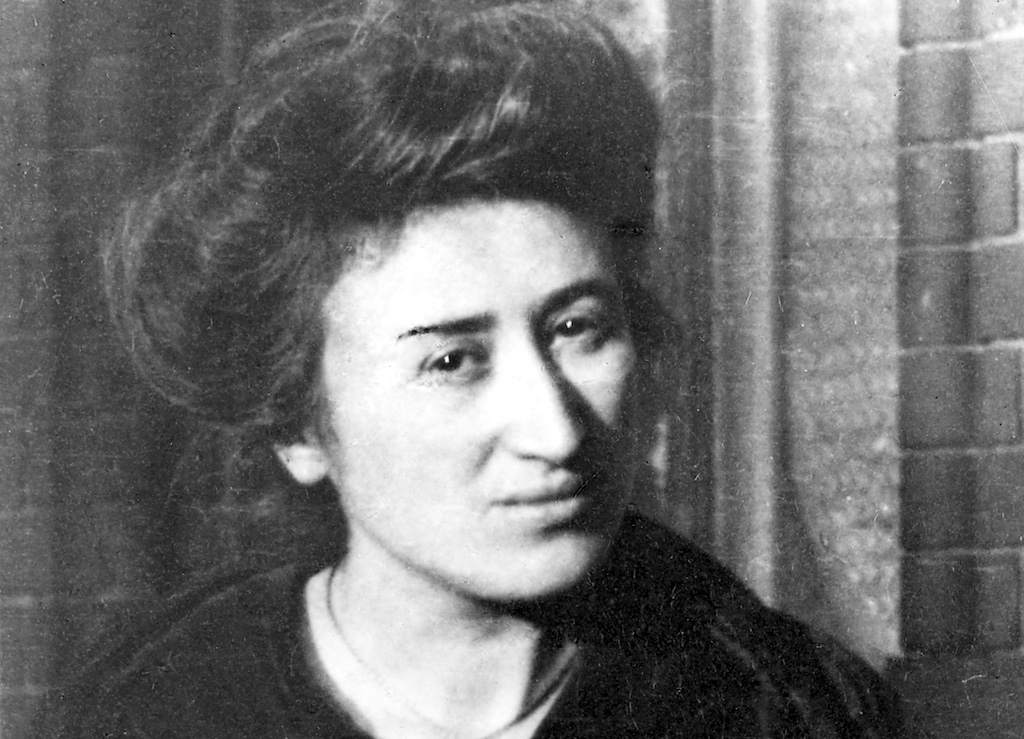
Polish Marxist philosopher Rosa Luxemburg. (Fine Art Images / Heritage Images / Getty Images)
Generations of socialist thinkers and activists have grappled with the life and thought of Rosa Luxemburg. Yet there are many surprises still in store for those interested in her legacy, as seen in the recent publication of Volume Four of the English-language Complete Works. Along with the previously published Volume Three, the new collection brings together her writings on the 1905 Russian Revolution, one of the most important social upheavals of modern times.
Luxemburg’s analysis of 1905 in her pamphlet The Mass Strike, the Political Party, and the Trade Unions is already well known (and appears in Volume Four in a new translation). However, more than four-fifths of the material in the new volume, covering the period from 1906 to 1909, is appearing in English for the first time. Most of her writings that were originally composed in Polish — about half of the volume’s 550 pages — have never appeared in any other language.
Learning to Speak Russian
Luxemburg, like most Marxists of her generation (as well as Karl Marx himself) held that a democratic republic with universal suffrage was the formation best suited for waging the class struggle to a successful conclusion. Like many of her contemporaries in the Second International, she saw no contradiction between fighting for democratic reforms within capitalism while reaching for a revolutionary transformation that would abolish capitalism — even as she relentlessly battled those who separated the two.