After Gustavo Petro’s Historic Victory, the Battle to Change Colombia Is Just Beginning
Colombians have elected a left-wing president for the very first time in the country’s history. Now Gustavo Petro and his vice president, Francia Márquez, face the challenge of carrying out their reform agenda against fierce conservative opposition.
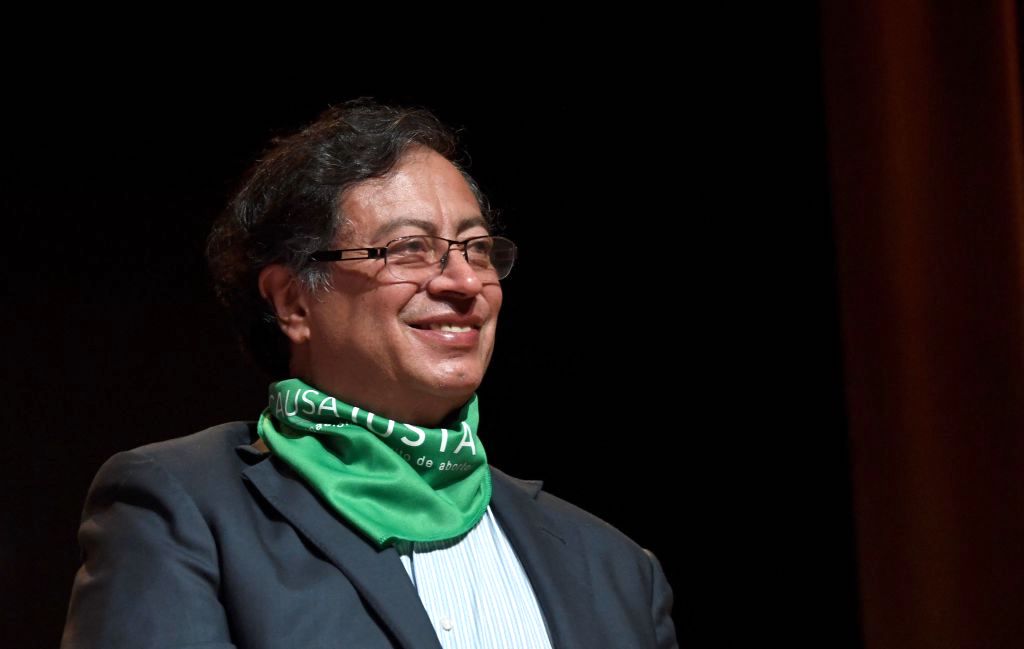
Left-wing president-elect Gustavo Petro in Bogotá, Colombia. (Daniel Munoz / AFP via Getty Images)
On June 19, Colombian voters elected left-wing candidate Gustavo Petro as president of their country. It was a historic breakthrough in Colombia’s political history since it first gained independence from Spain in 1819. For many years, Colombian politics seemed immune to the left-wing currents elsewhere in Latin America.
Petro’s victory is even more remarkable because the vice president–elect, Francia Márquez, will be the first Afro-Colombian woman to serve in that position. Unthinkable just a few years ago, the democratic election of a left-wing presidency means that for the first time, issues like persistent inequality and poverty, human rights, and environmental protection will be priorities for the Colombian government.
What are the prospects for success of the incoming Petro-Márquez presidency’s agenda? A brief look at the short- and long-term factors that culminated in this historic victory can help provide answers for the near future.